Increasing Merchant Retention by Rethinking Upside Payments
Summary
At Upside, I designed Pay at the Pump, a new feature that lets users pay for gas directly in the app, unlock a pump, and earn instant cash back. It meant tackling real-world complexity like pump availability and payment authorization in a high-stress environment. The result was a smoother, more reliable fueling experience that removed the friction of receipt upload and helped strengthen merchant retention.
Company
Upside
Role
Principal Product Design
Team
William M, Research
Yolanda C, Design
Kunal A, Product
Timeline
5 months
Problem
Merchant: Fuel merchants struggled to understand their return on investment with Upside. Because revenue generated through Upside was blended into normal fuel sales, merchants didn’t clearly feel the cash inflow it created. At the end of each month, Upside calculated the incremental business it drove and billed merchants a small percentage of that revenue. Despite bringing in new customers, Upside was perceived primarily as an expense rather than a revenue driver. Enabling customers to pay for fuel directly in the app would reverse that dynamic by allowing Upside to send payouts to merchants instead of issuing monthly invoices.
Consumer: For consumers, earning cash back with Upside often felt delayed and abstract, which reduced the sense of immediate value. The need to upload receipts after fueling introduced unnecessary friction, and errors at the pump were confusing and difficult to resolve in the moment. Together, these issues eroded trust and detracted from an otherwise simple, everyday transaction.
Overview
Upside historically helped users earn cash back on gas by uploading receipts after fueling. Pay at the Pump fundamentally changed this model by allowing users to pay for fuel directly in the Upside app, unlock a pump remotely, and receive instant cash back—no receipt, no waiting.
This was Upside’s first fully integrated, first-party fuel payment experience, spanning:
The work required designing not just screens, but a reliable, real-world experience that functioned at gas stations, under time pressure, and across imperfect systems.
Site Visit
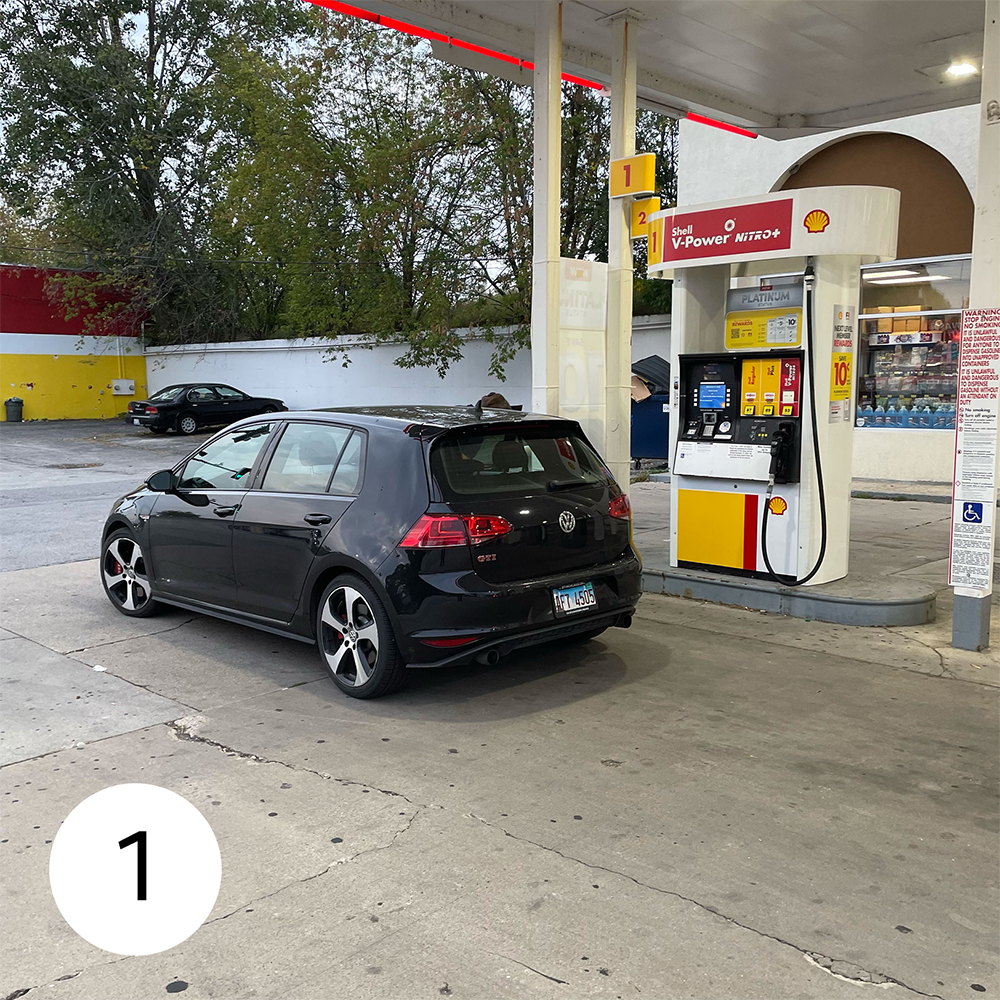
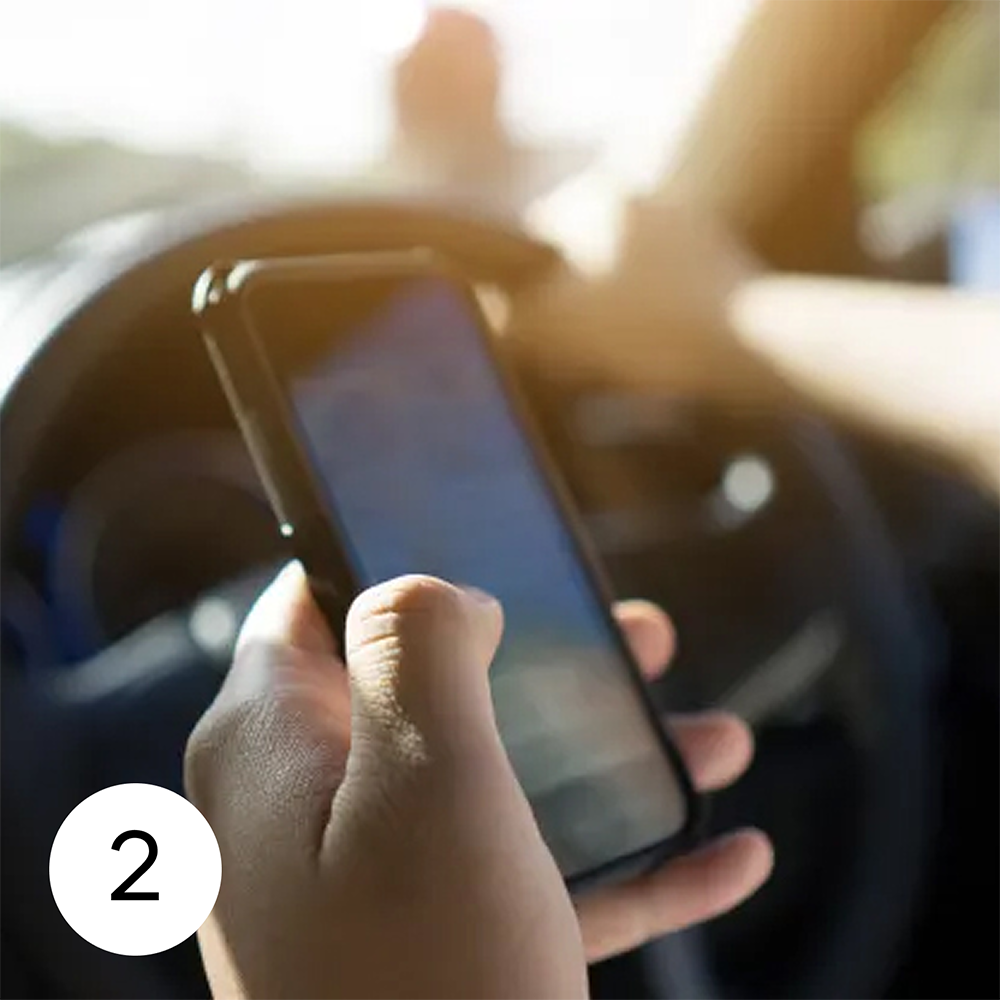
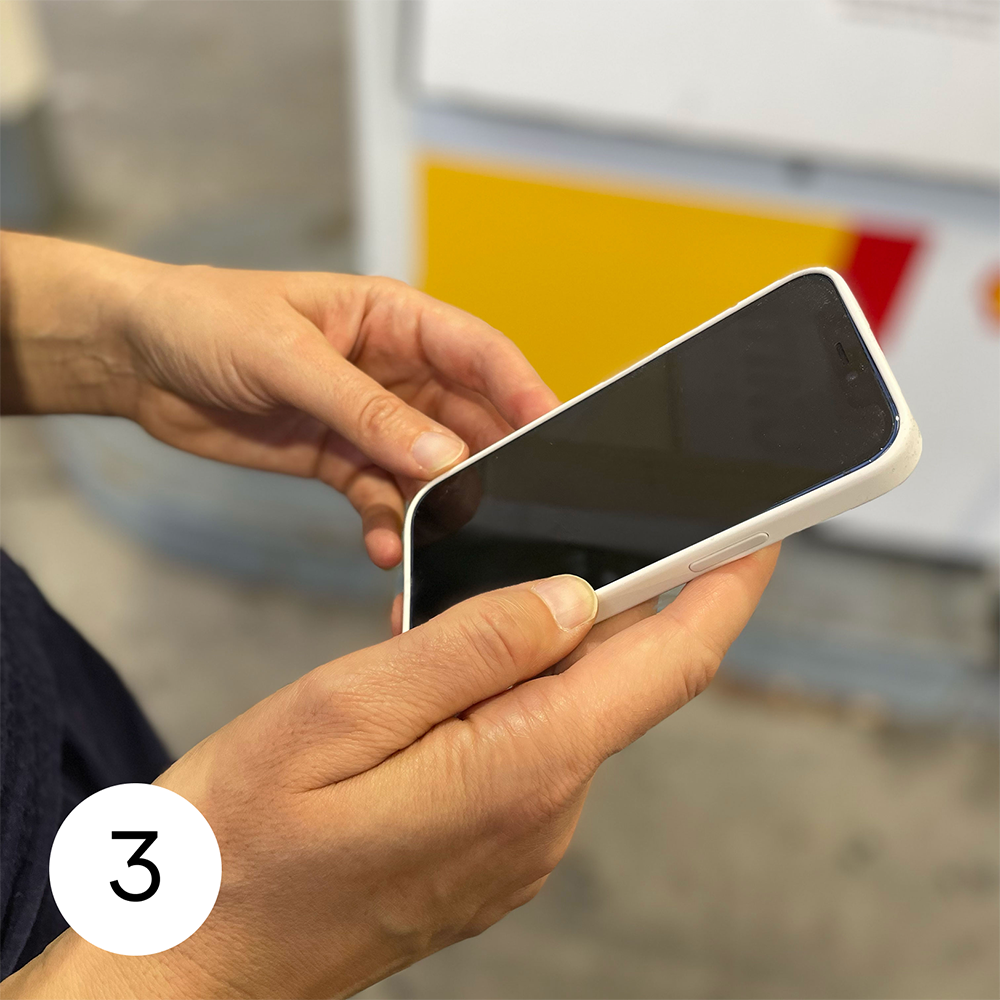
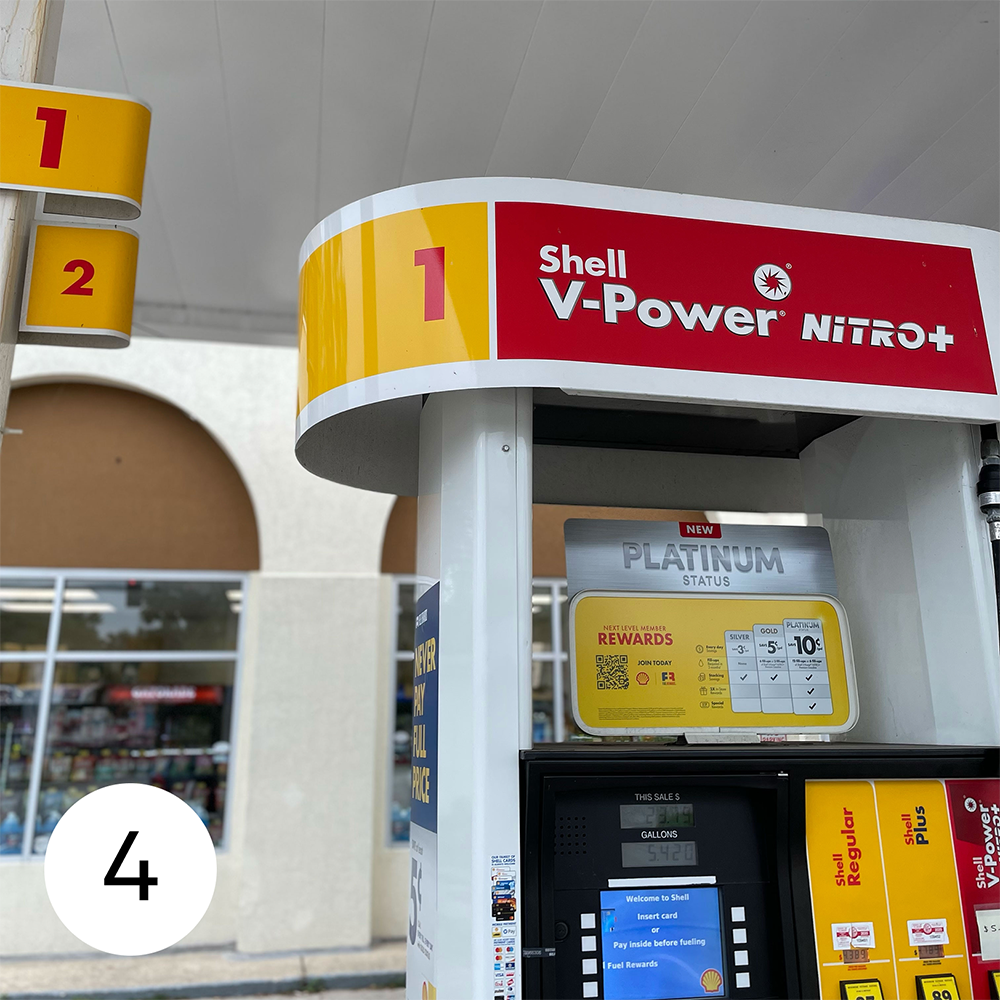
Together the design and researech teams reviewed pay-at-the-pump experiences across seven fuel and convenience retailers to understand common approaches and expectations. While the details varied, most flows relied on system-driven language, compressed multiple steps into just a few screens, and focused heavily on guiding users through fueling in real time. Many also layered in loyalty programs or upsells alongside the core flow. This research helped us spot industry norms, recurring friction, and clear opportunities to simplify language and reduce stress at the pump.
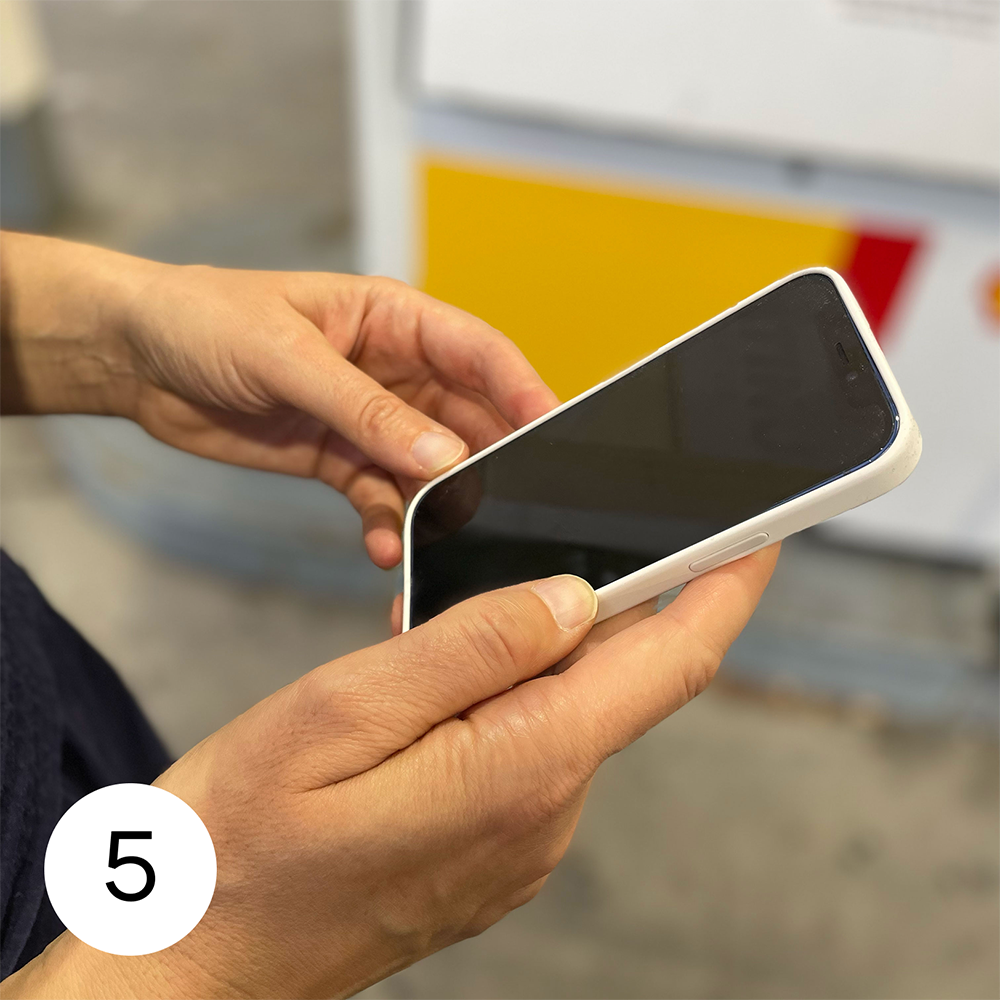
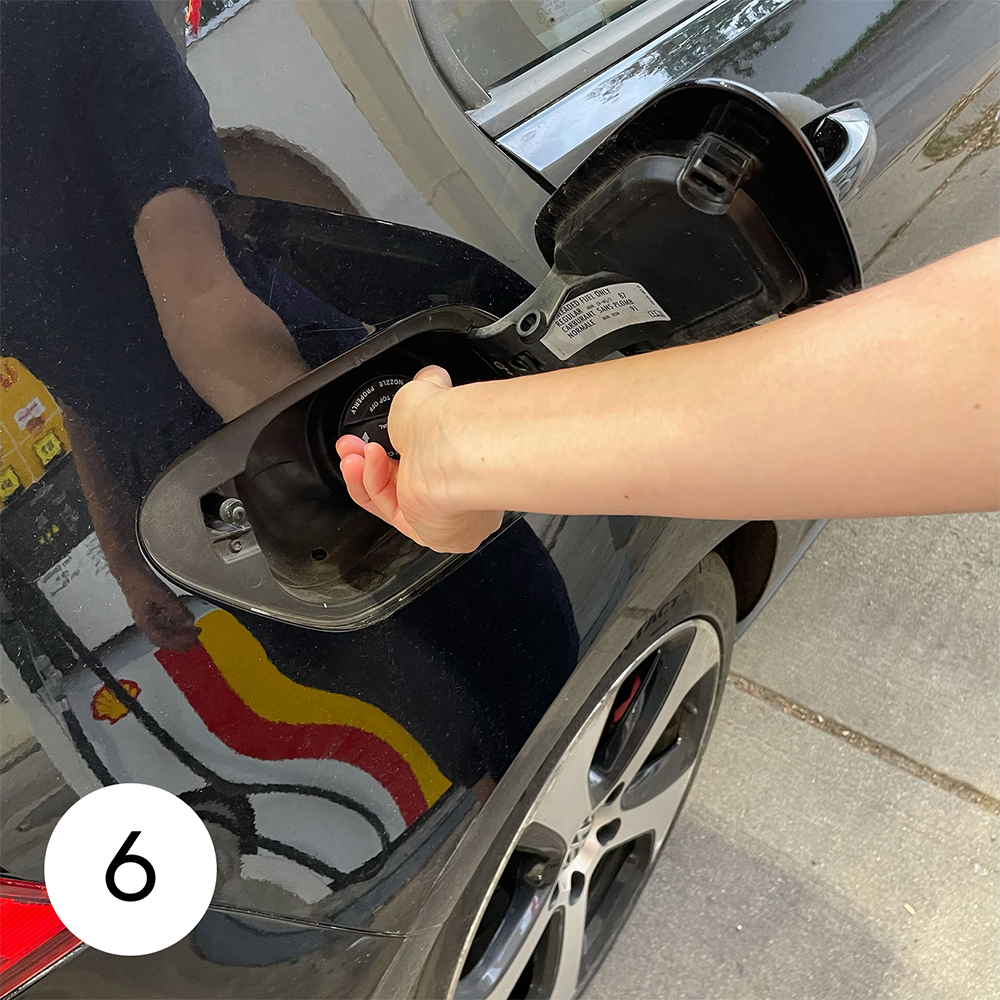
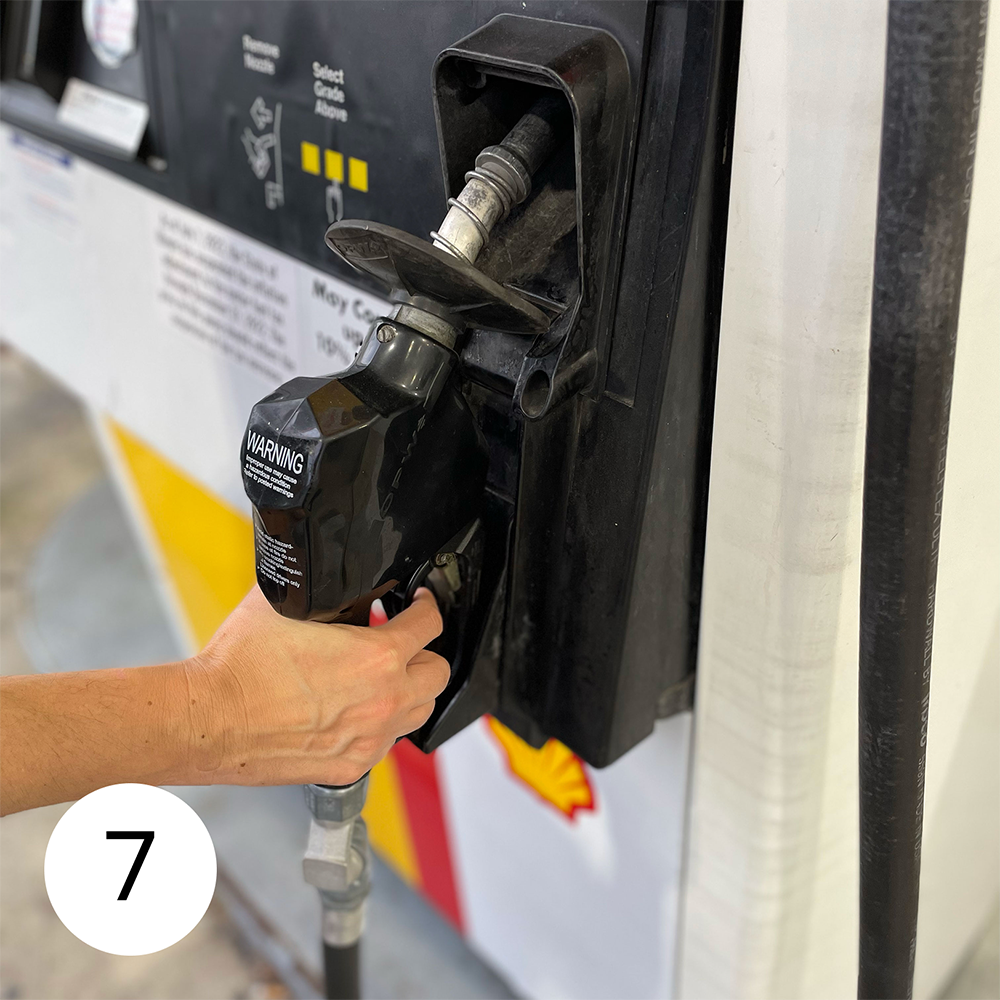
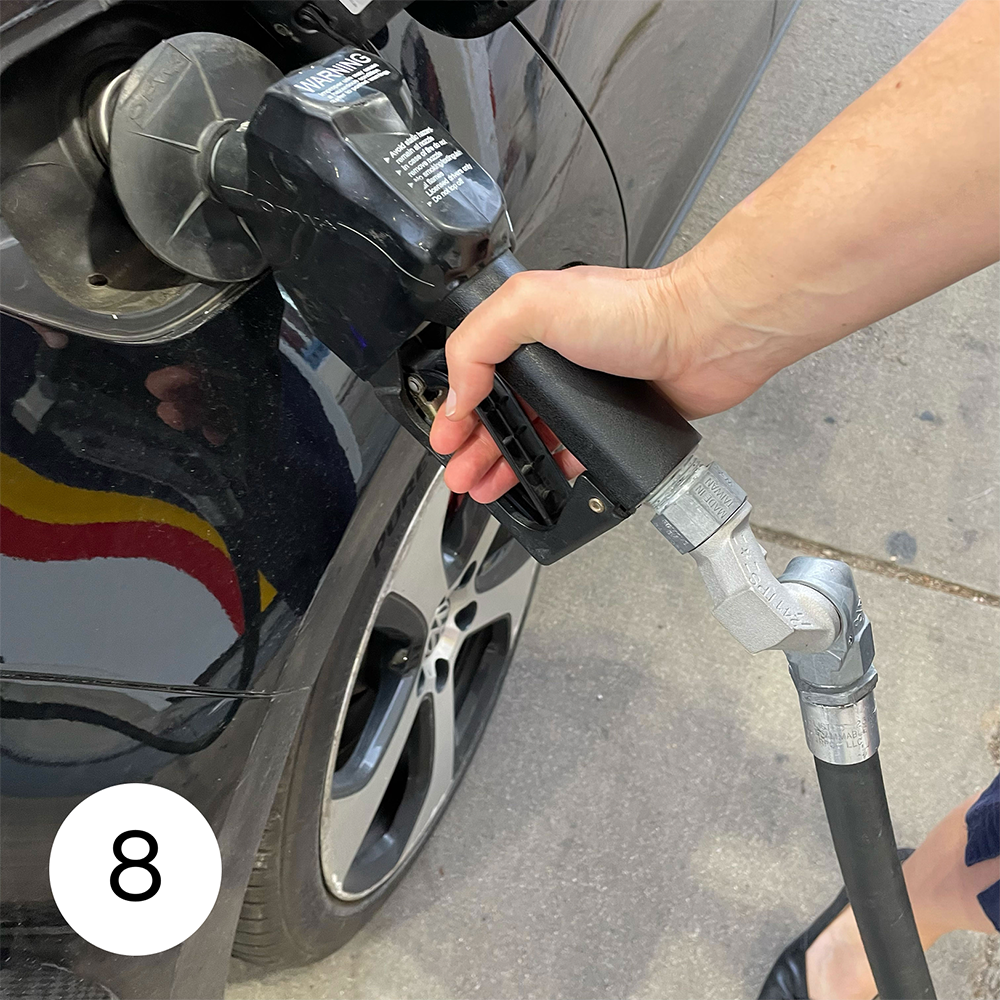
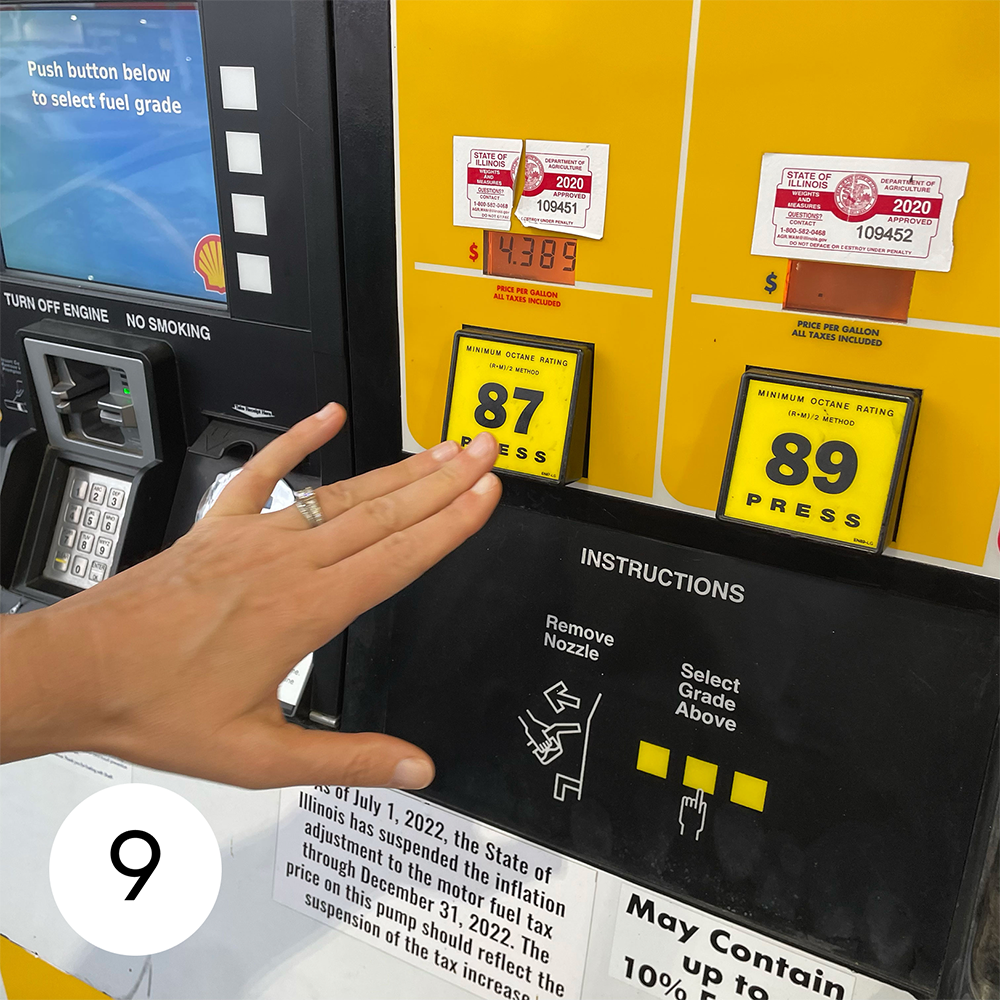
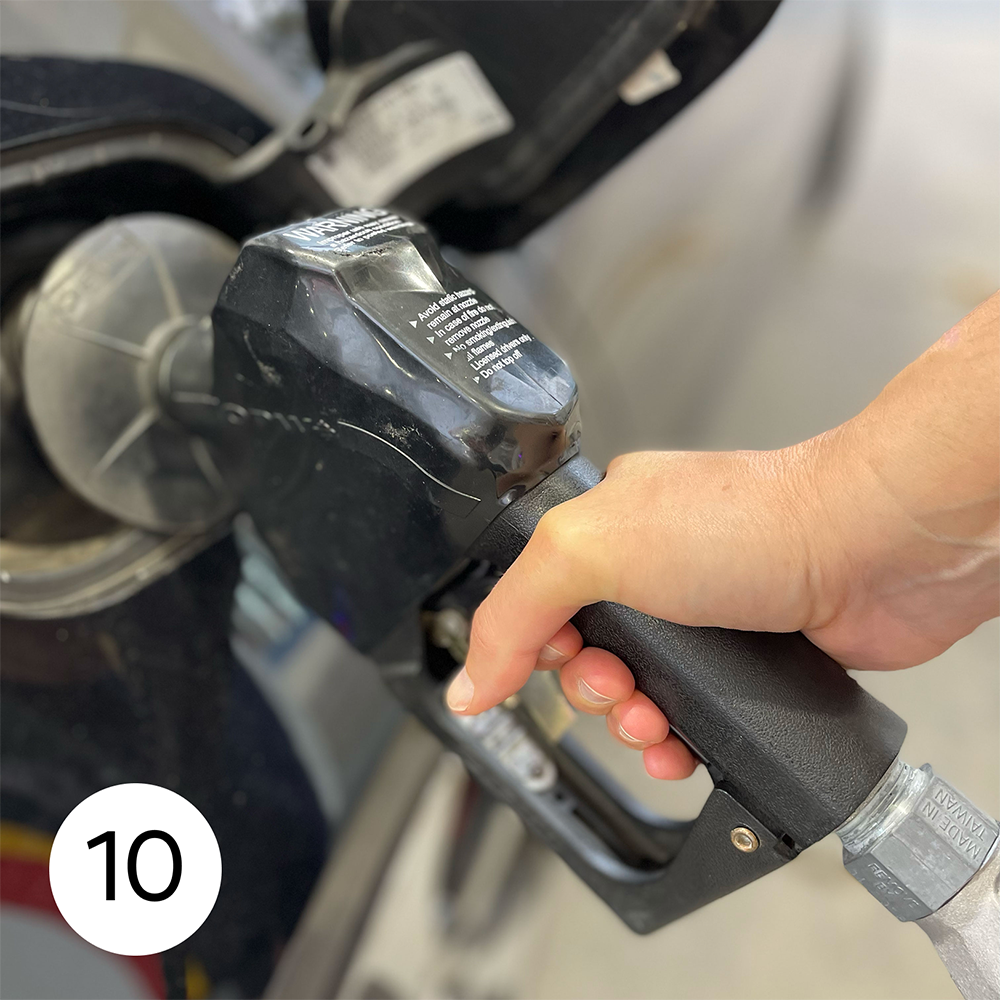
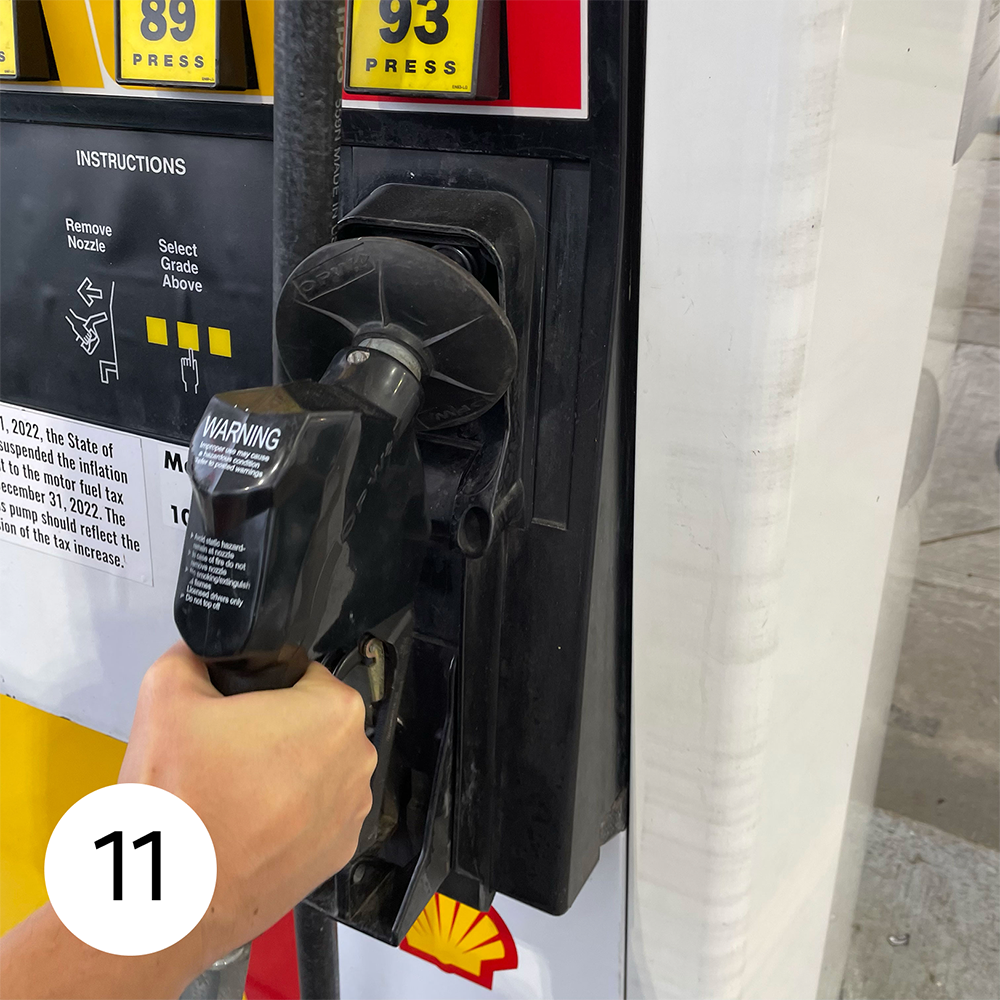
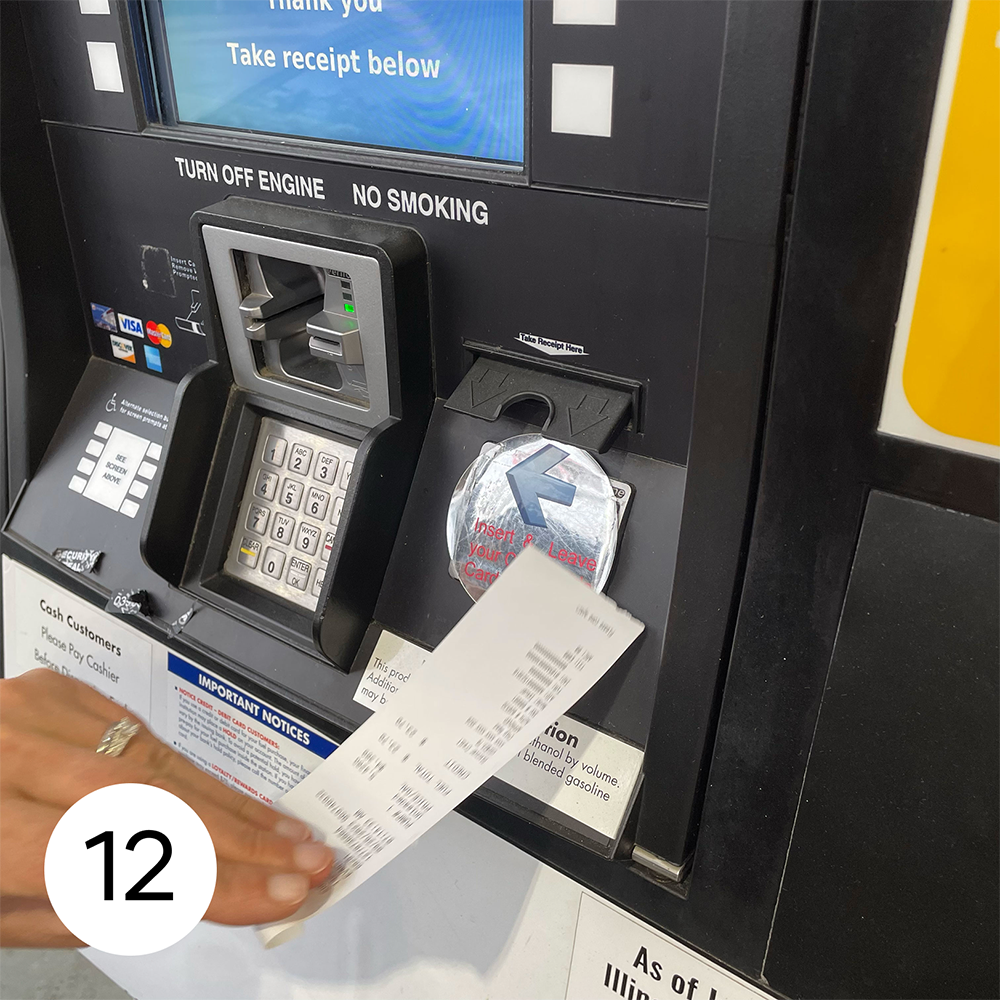
The Fueling Experience
Competitive Analysis
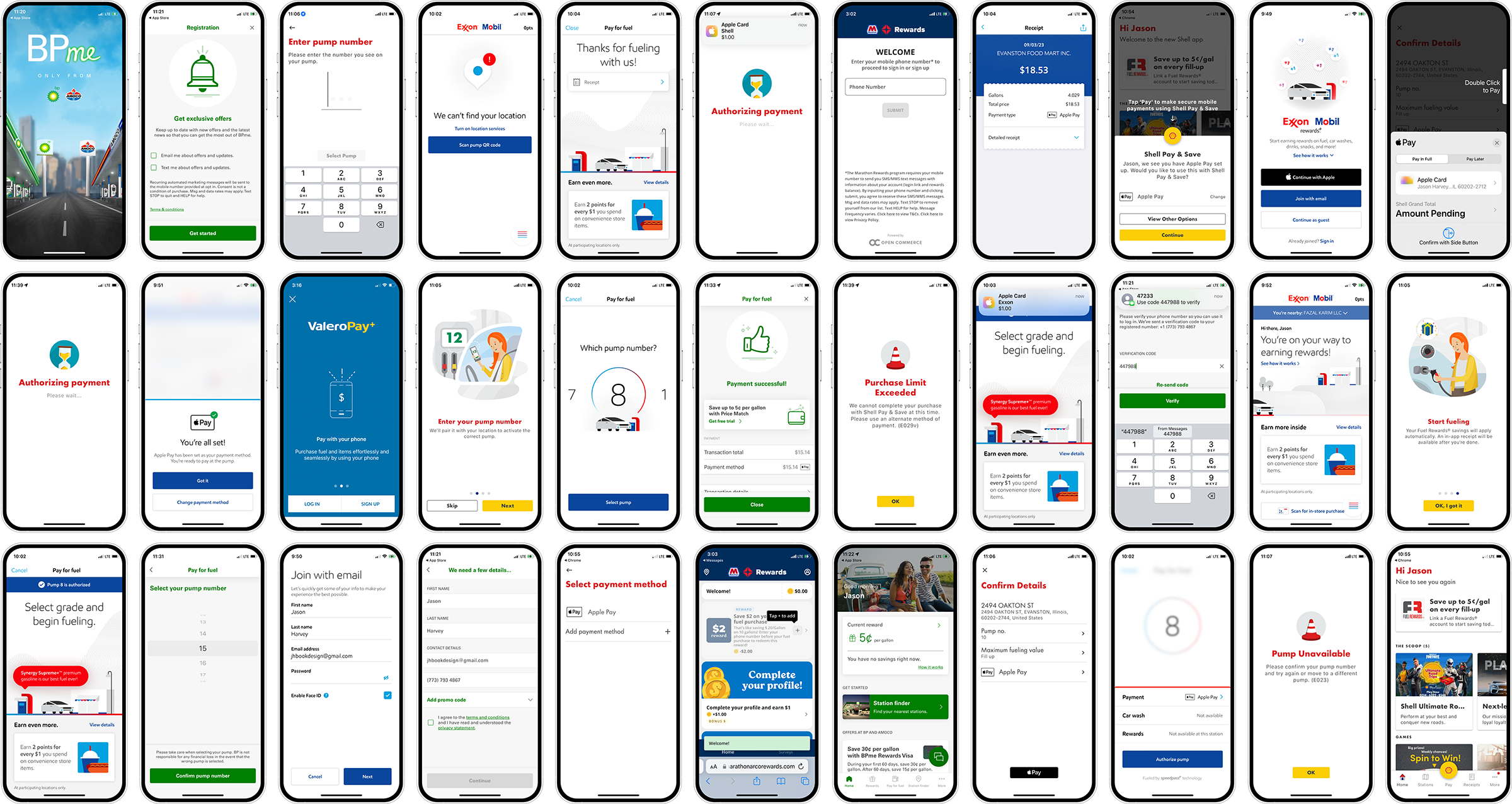
Competitor Experiences
Story Map
Next, we mapped out the user’s end-to-end journey and where their attention would be focused at each step (phone, car, fuel pump, etc.). This exercise helped us align user actions with both app and backend system, while also surfacing unknowns and open questions. By making those gaps explicit, we were able to flag areas that required deeper discussion and validation with engineering partners.
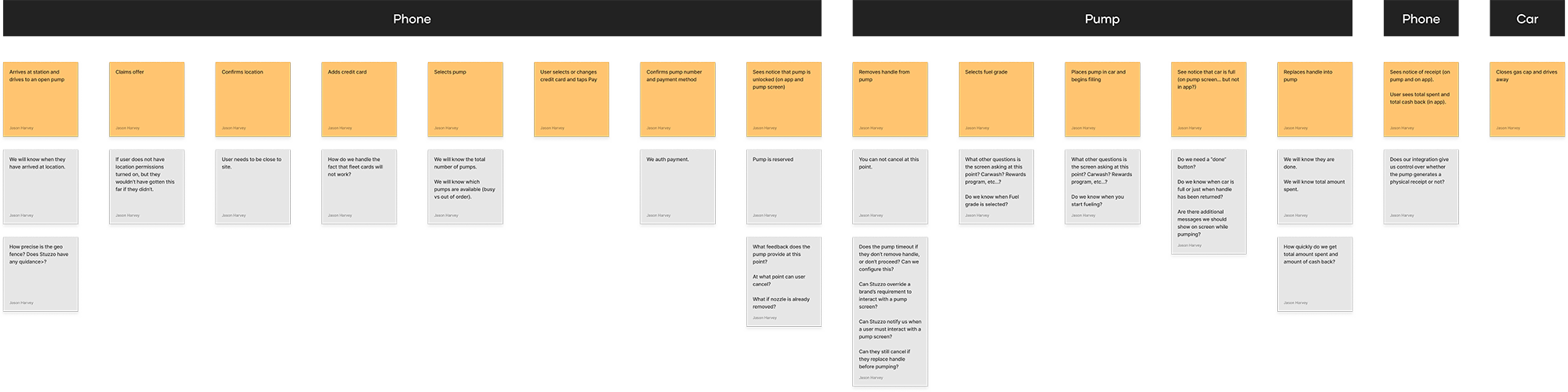
Flow Explorations
Multiple patterns were considered for the order of screens to determine whether users should select a payment method or a pump first, including flows inspired by familiar apps like Uber and Lyft. Our explorations also accounted for system constraints, such as validating the card, placing a pending charge, and then reserving a pump in real time. Ultimately, we chose to have users select a pump first, reducing friction and ensuring the pending charge only occurred once a pump could actually be secured.
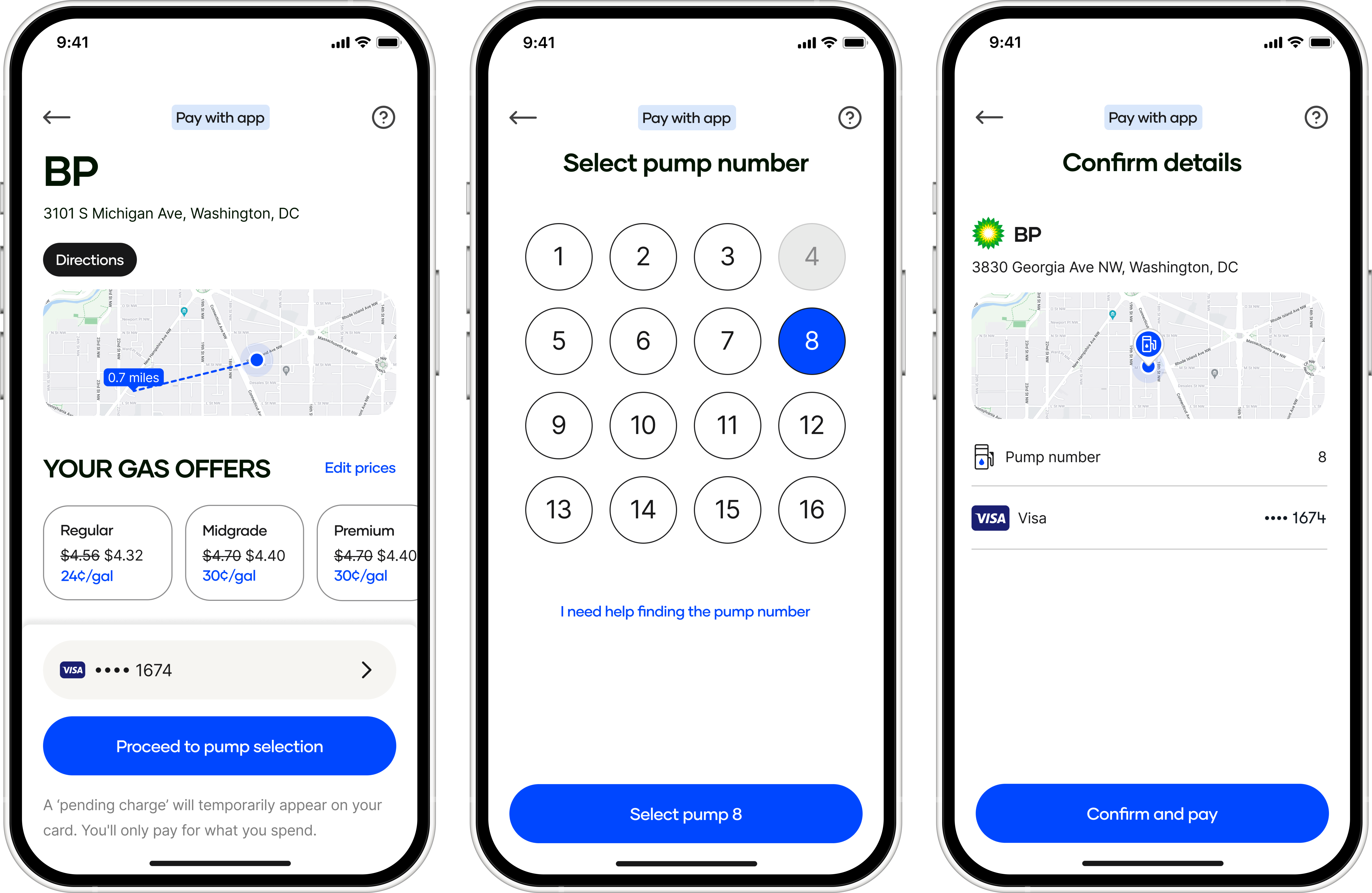
Select Payment then Pump
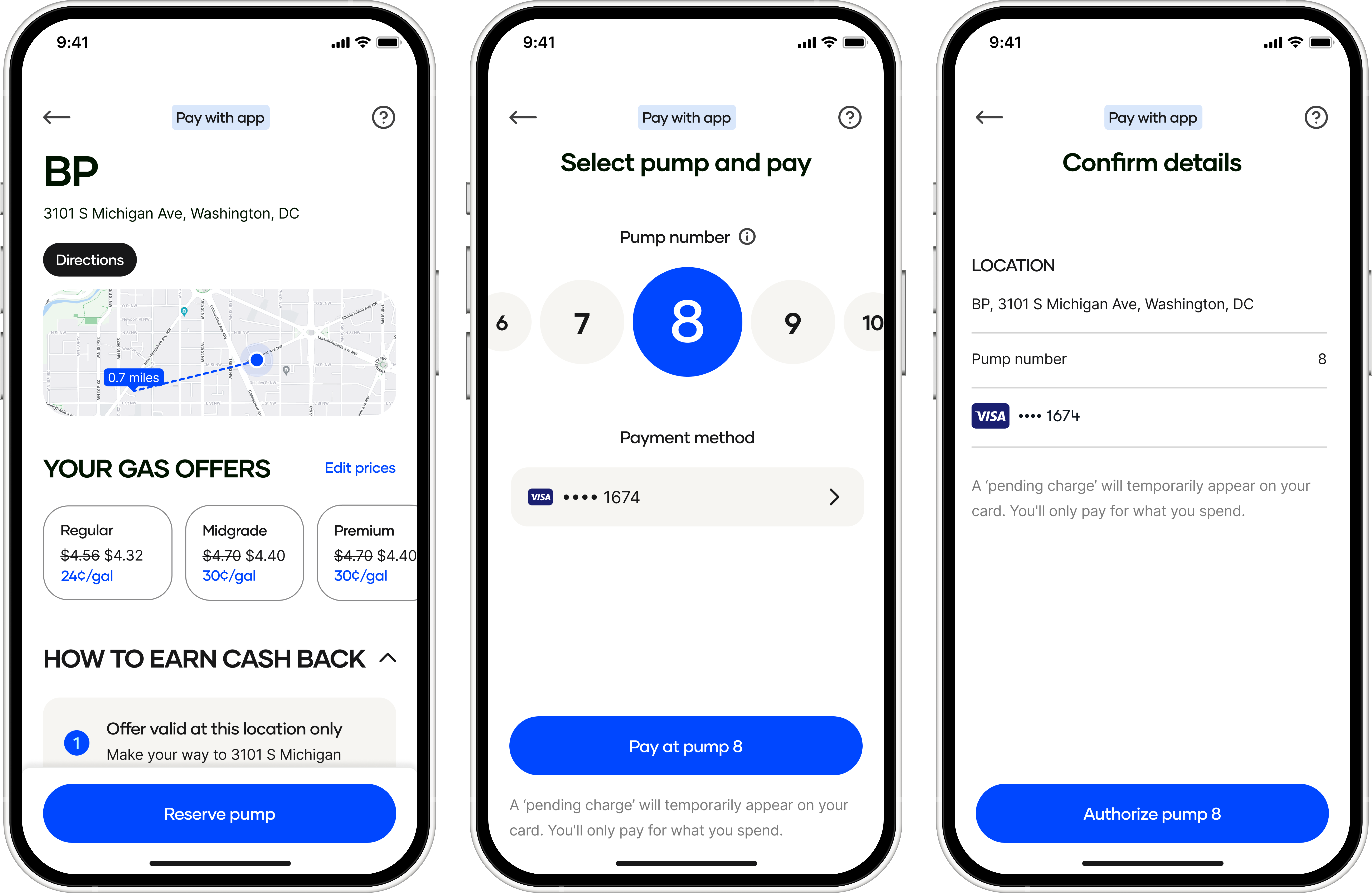
Select Pump and Payment Together

Select Pump then Payment
Pump Selector
We explored multiple interface patterns for selecting a gas pump, knowing users might be distracted or in a hurry. Concepts ranged from tap-based grids to scroll, carousel, and numeric input patterns, drawing on familiar mental models to reduce decision time. Each option was evaluated for speed, error prevention, and ease of use in real-world conditions. Ultimately we landed on a simple solution that was easy to use with just one hand and could scale cleanly across stations with very different numbers of pumps.
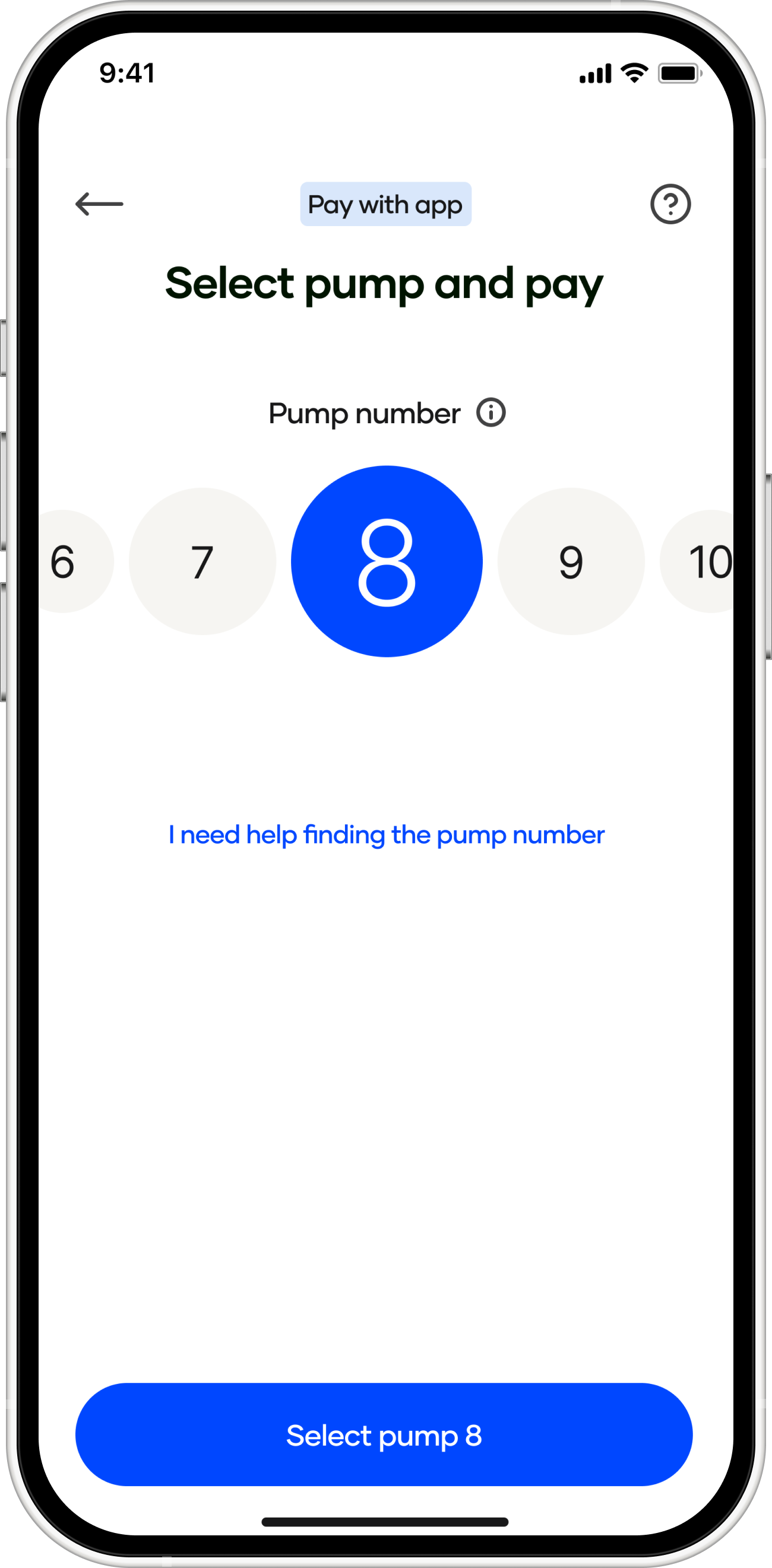
Selection Exploration 1
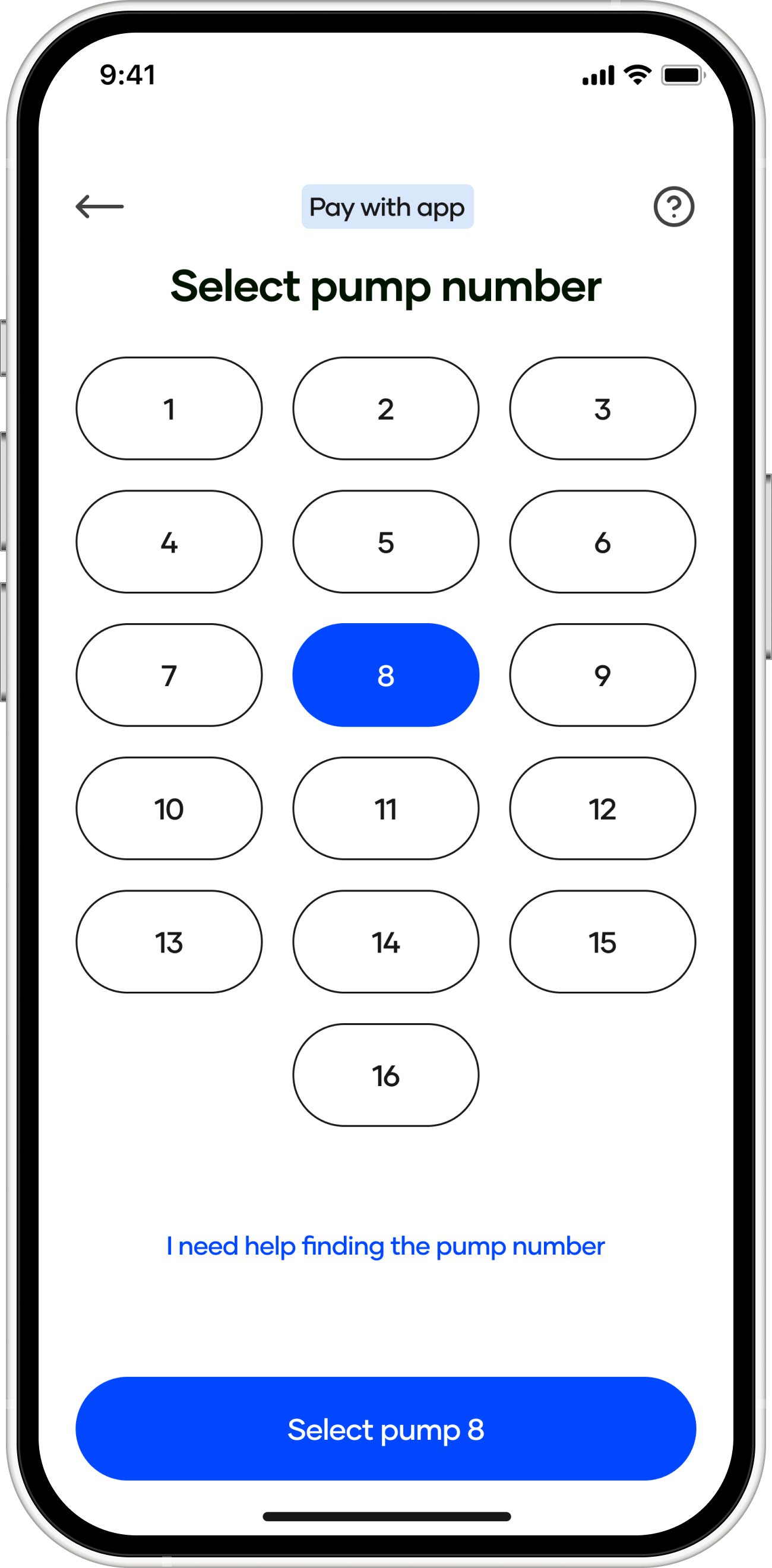
Selection Exploration 2
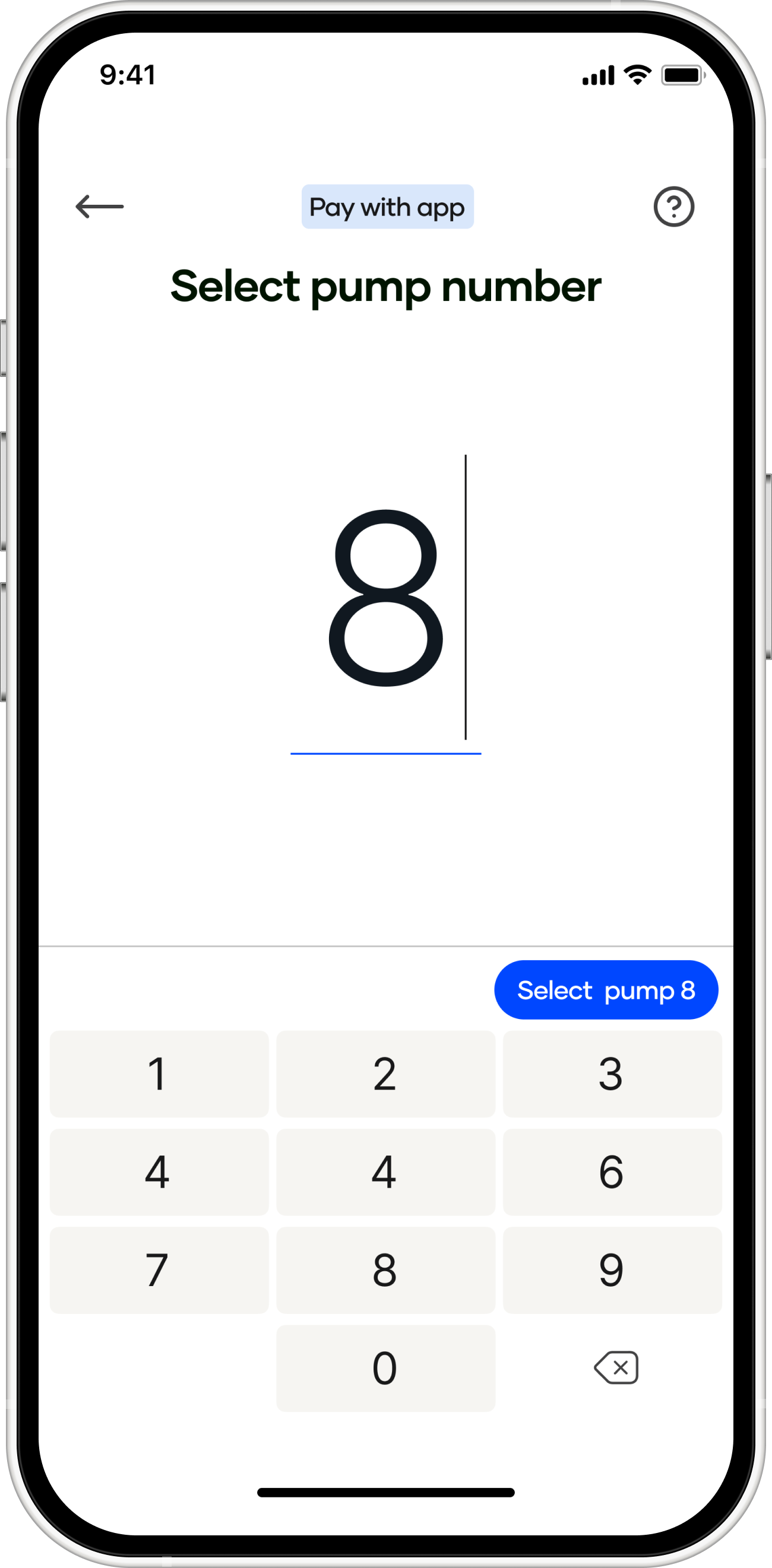
Selection Exploration 3
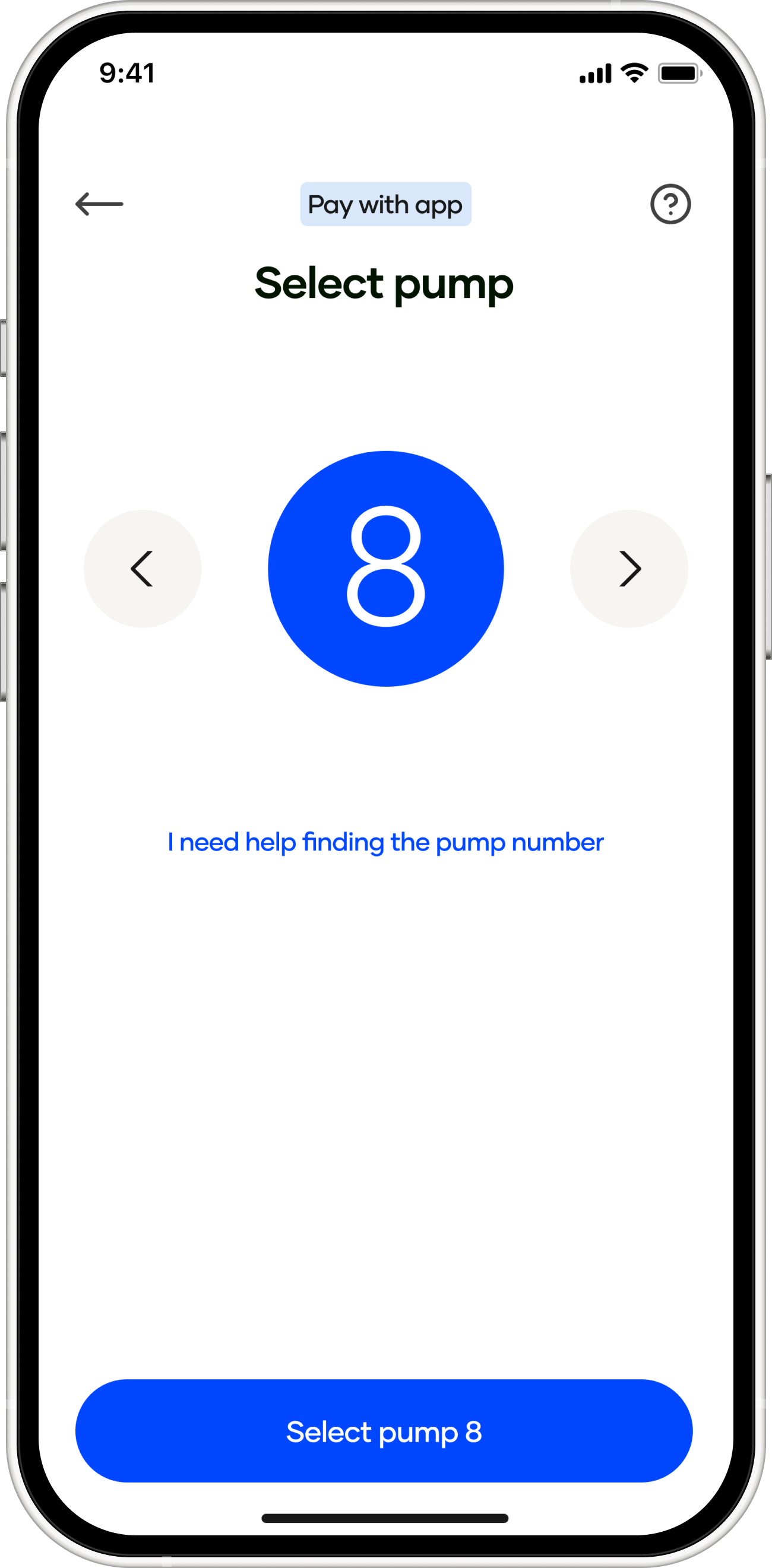
Selection Exploration 4
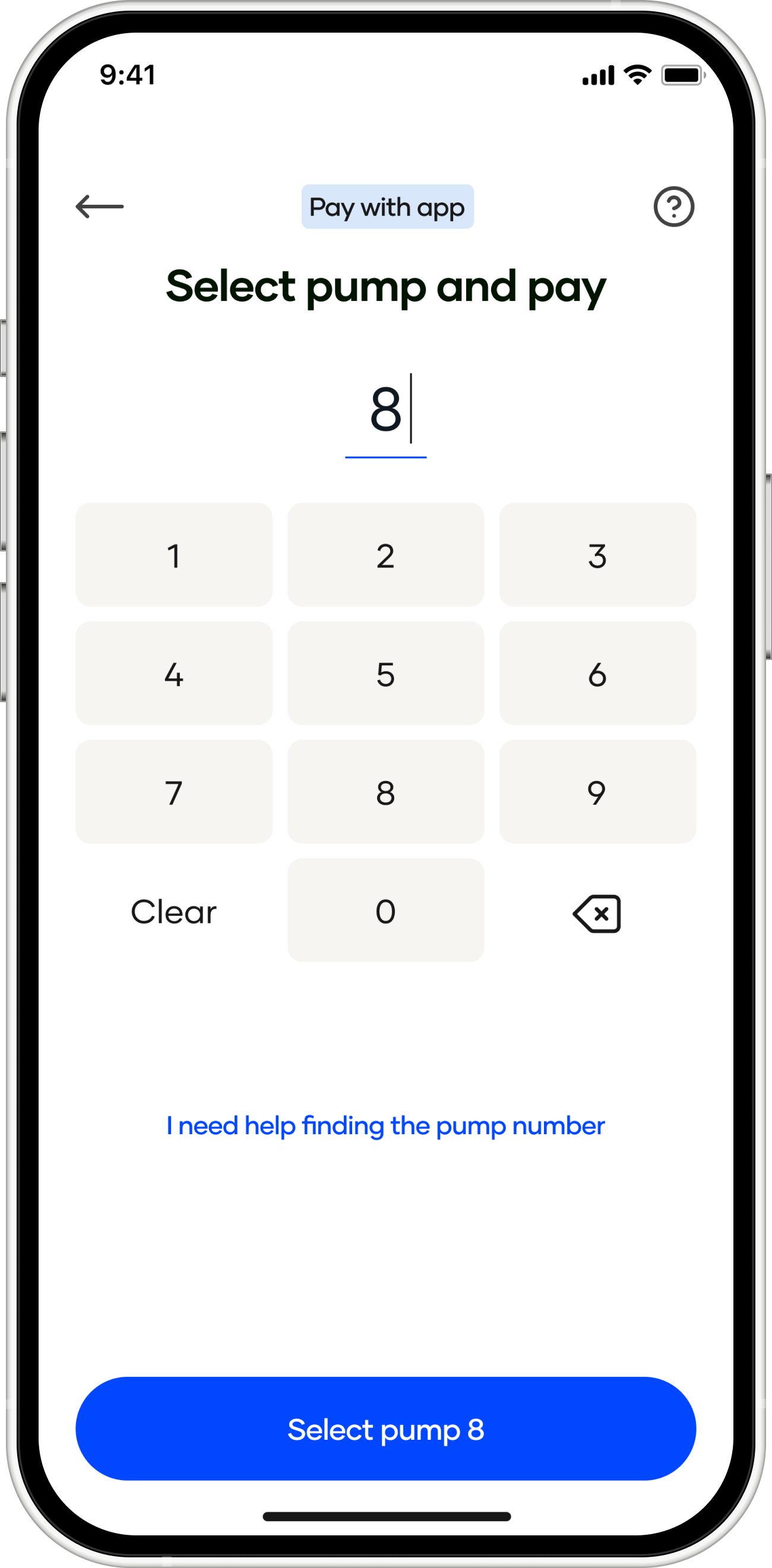
Selection Exploration 5
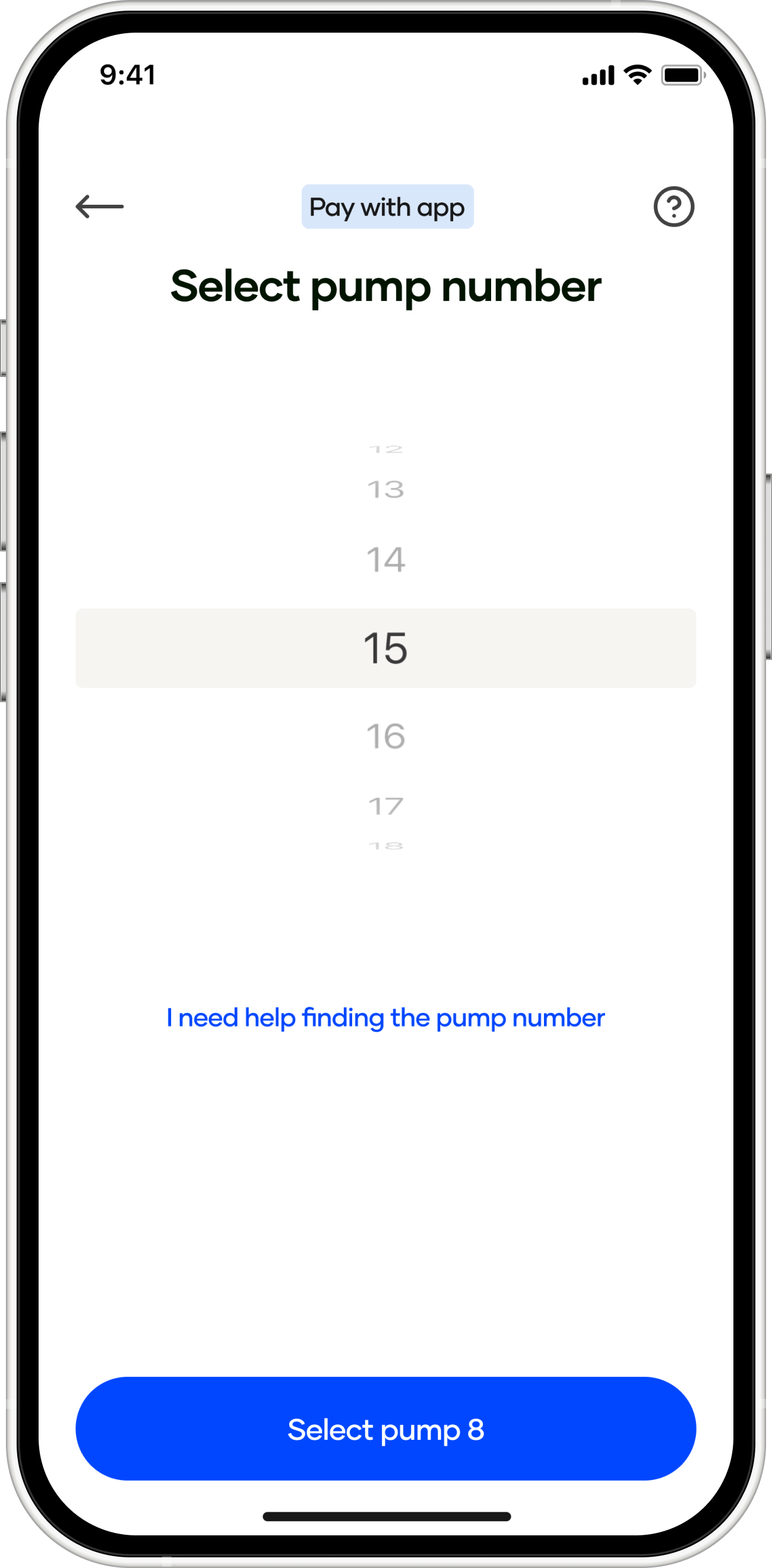
Selection Exploration 6
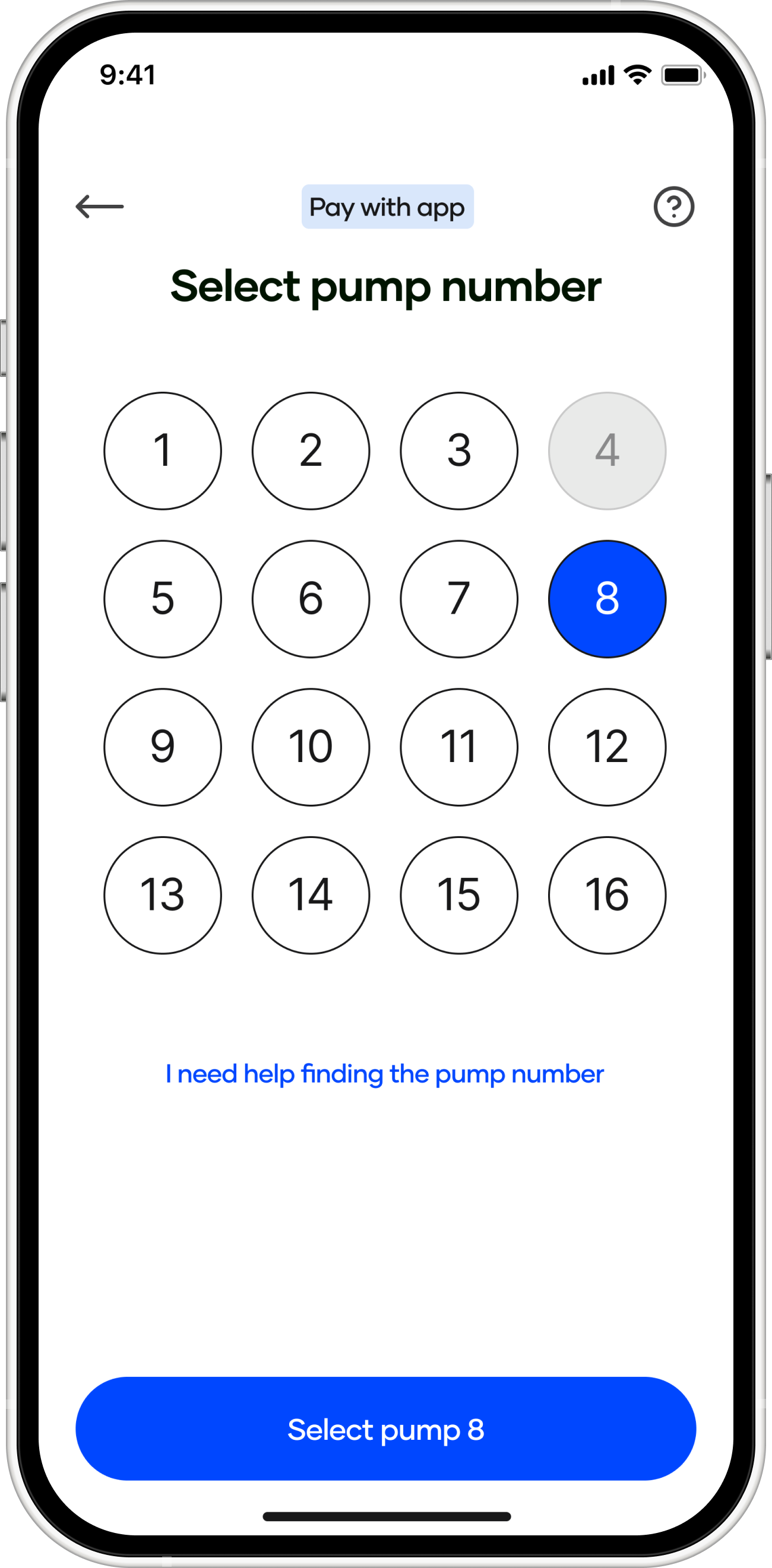
Selection Exploration 7

Selection Exploration 8
Final Pump Selector
A New Way to Transact
To make Pay at the Pump feel immediately distinct from standard fuel offers, we introduced clear "Pay with app" labeling and a consistent visual treatment at entry points and throughout the experience. We also added a lightweight explainer screen to explicitly set expectations, so users understood how the flow would work before selecting a pump. These same patterns were later reused across other first-party pay experiences, helping establish a new mental model before users ever transacted.
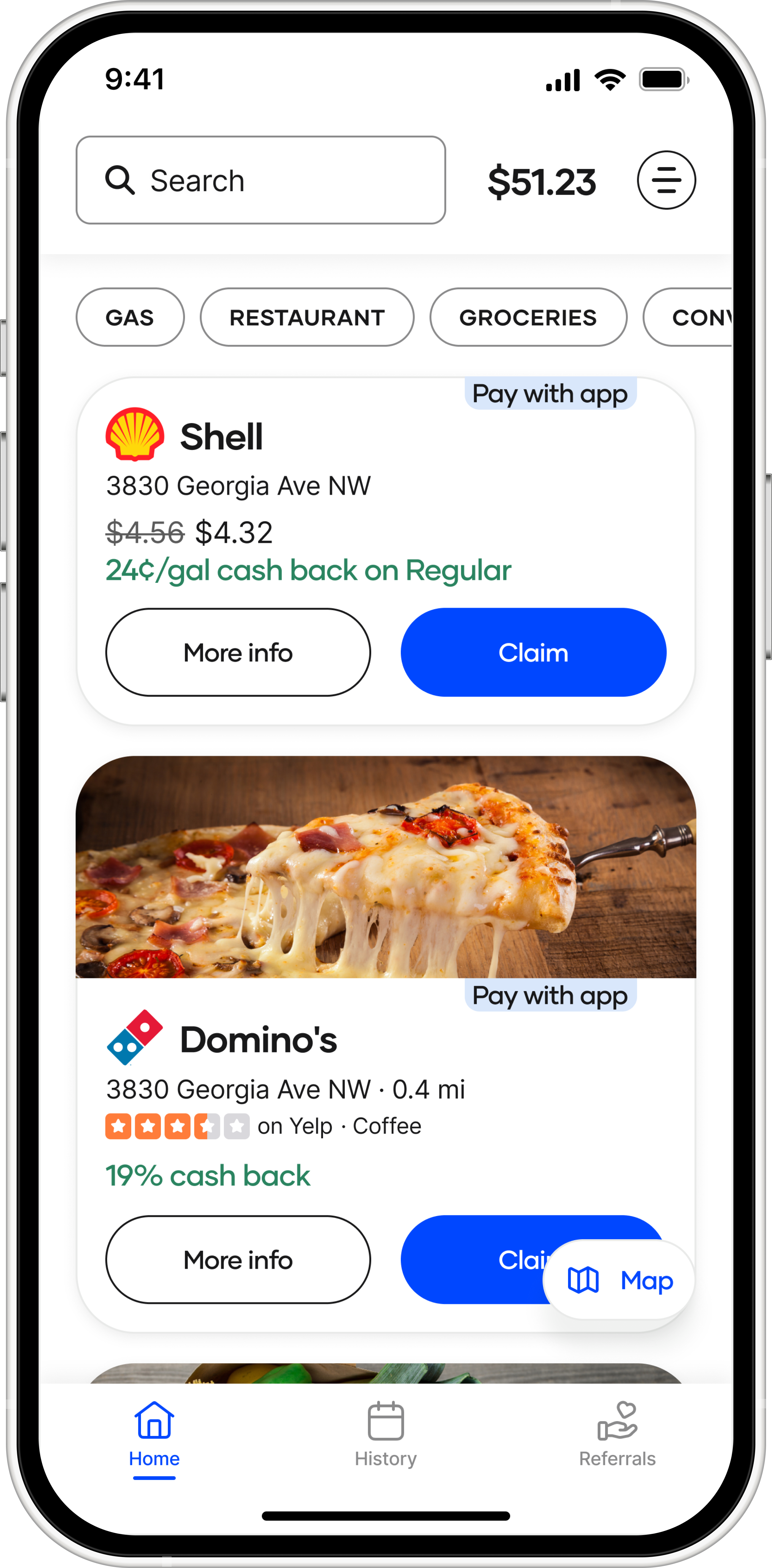
List View
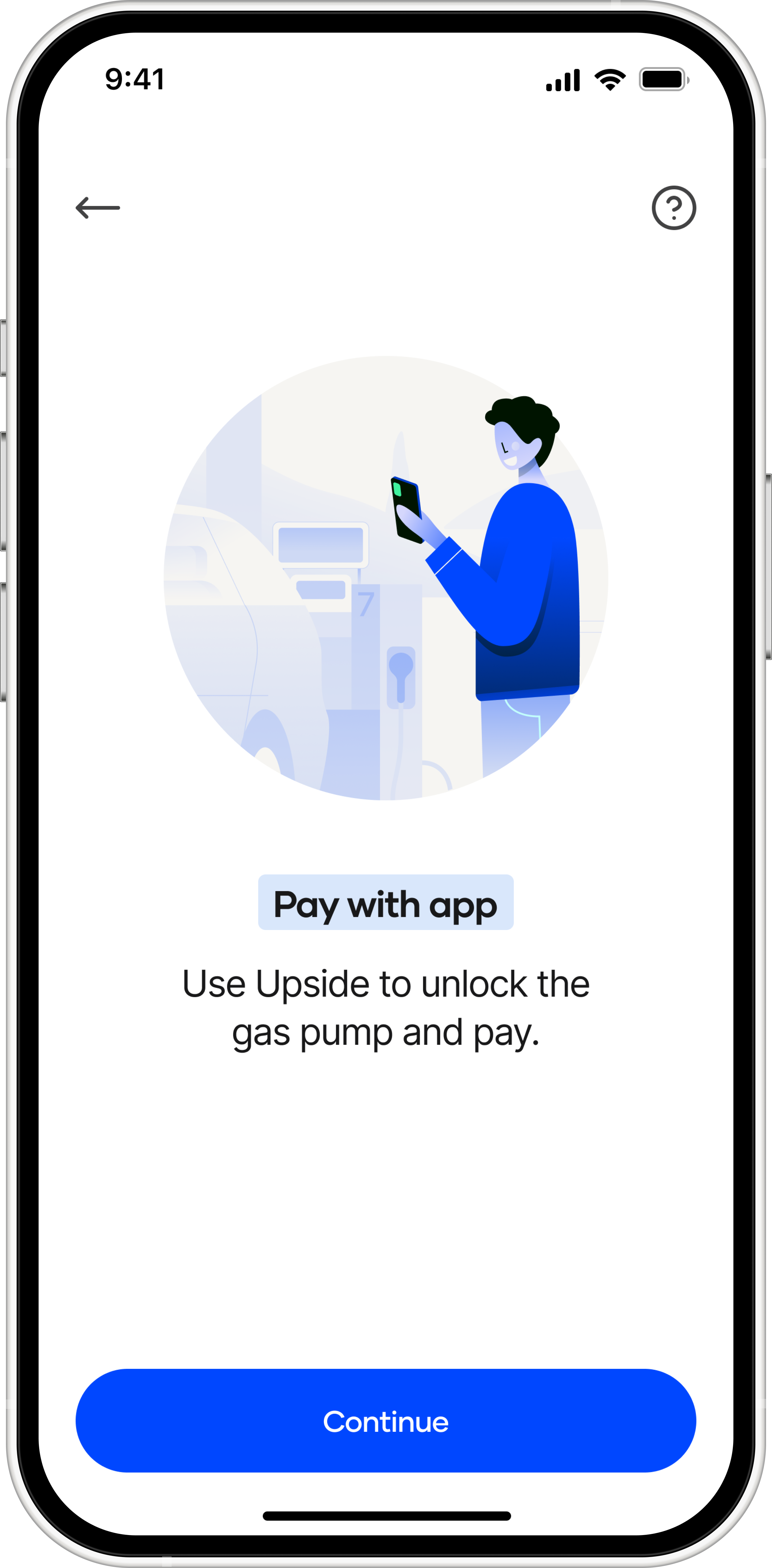
Explainer Screen
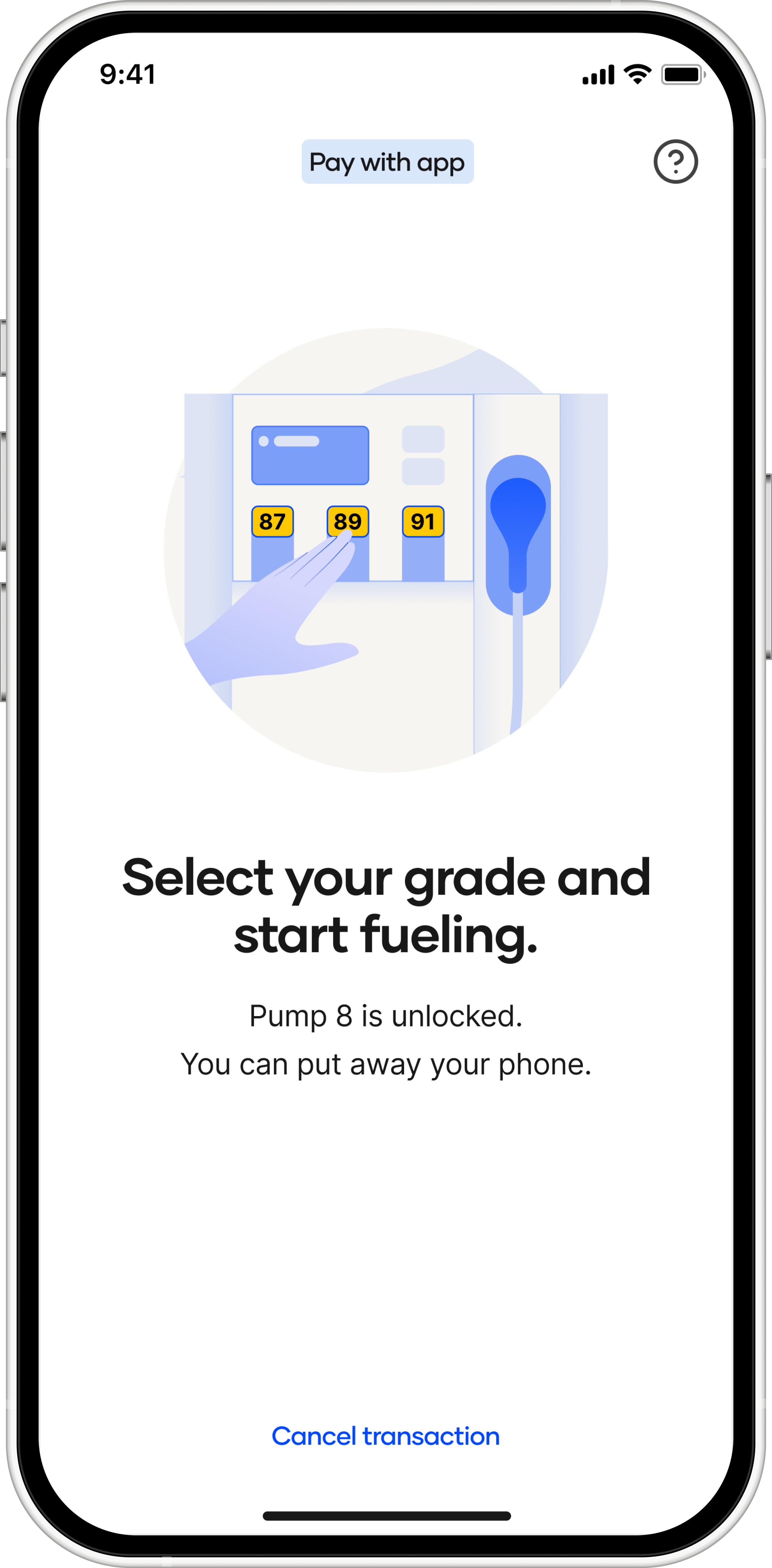
Select Grade Screen
Enabling Merchant Payouts at Scale
To support the shift from invoicing merchants to paying them directly, I helped design key updates to the merchant dashboard experience. Merchants are prompted to securely connect a bank account through Plaid, authorize debits and credits, and provide billing details. We also introduced clear controls for selecting payout frequency, with weekly set as the recommended default to encourage faster settlement cycles. Together, these flows ensured merchants could seamlessly receive net settlements while maintaining control over how and when they’re paid.
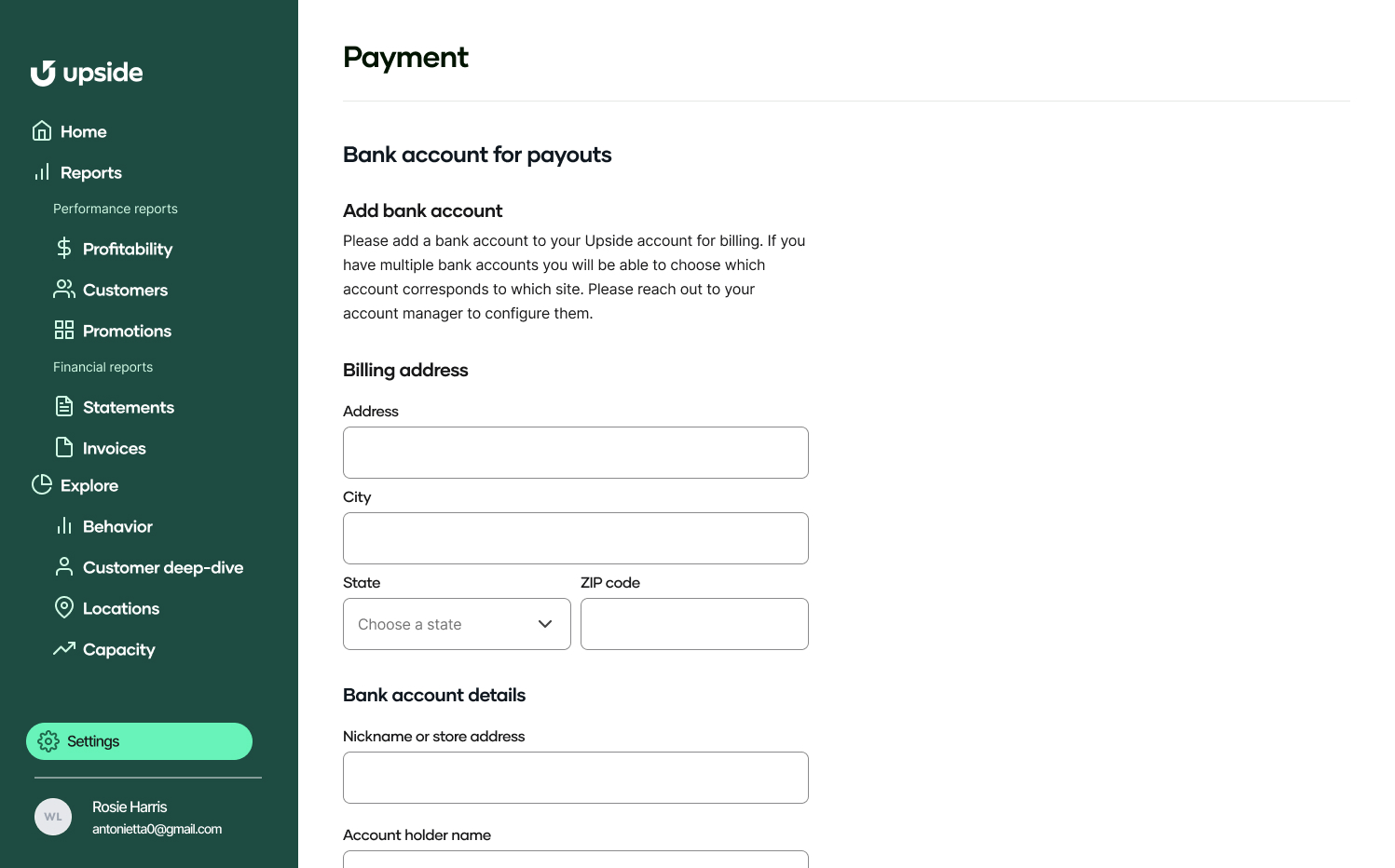
Dashboard Add Bank Account

Dashboard Payment Frequency
Impact
Pay at the Pump launched successfully through a phased rollout, introducing Upside’s first true first-party fuel payment experience and fundamentally changing how customers earn and pay with Upside. By eliminating receipt uploads, the experience reduced consumer friction and shifted merchant perception from monthly billing to real-time value, contributing to a 90% increase in merchant retention. The platform also established a scalable foundation for future fuel features, including car washes and loyalty integrations.
Next Steps
If I were to take this work further, I’d focus on easing uncertainty before and during fueling. That includes letting users pre-select a fuel amount, making it easier to find the right pump in crowded stations, and showing pump availability more clearly. I’d also look for ways to reduce anxiety around authorization holds and make it easier to recover if a pump fails mid-flow, so users feel supported even when things don’t go as expected.