From Agency Dependency to
Strategic Design Leadership at Scale
Summary
To support Discover’s rapidly growing digital platform, I built the company’s first in-house design team and restructured how design partnered with product. In one year we scaled from 1 to 20 designers and fully replaced agency-led design delivery. The shift accelerated delivery, reduced review cycles by 49%, and generated over $5M in sustained annual savings.
Company
Discover
Role
Design Director
Team
Linh L, VP Design
Joan K, SVP Digital
Timeline
10 months
Context
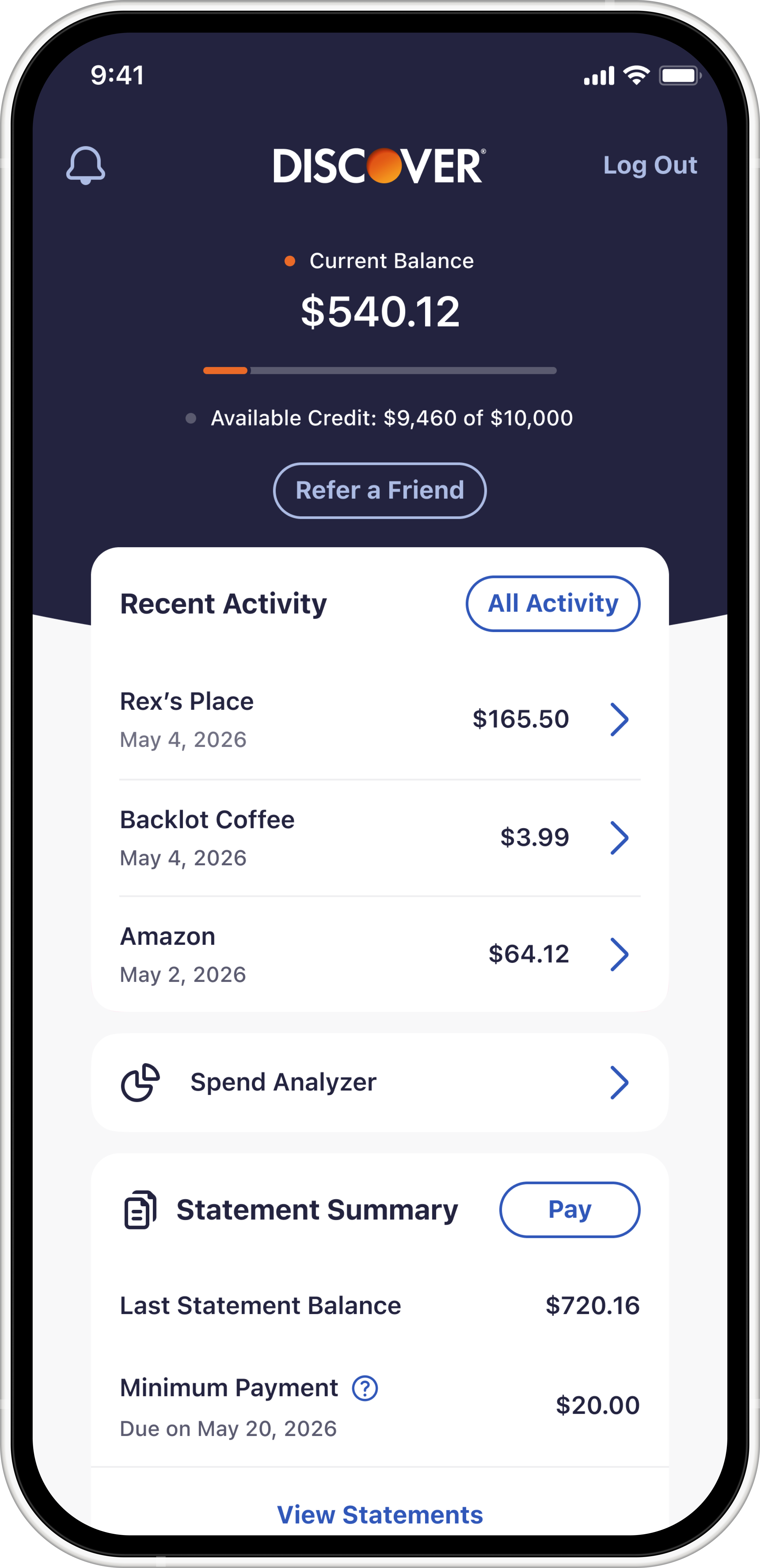
Discover’s digital experiences support over 30 million customers, with 1.9 billion annual logins and nearly 1 billion monthly mobile visits. Digital channels are a primary growth engine for the business, yet design capabilities had not evolved to match that scale. While engineering and product teams operated at enterprise speed, design processes were fragmented and dependent on external vendors.
30M+ Customers
1.9B+ Annual Logins

990M+ Monthly
Mobile Visits
The Problem
All product design work was delivered by agencies, while internal UX strategists functioned largely as project managers coordinating vendor output. This structure created long review cycles, inconsistent experiences, and limited governance across products. Design was often perceived as a blocker rather than a strategic partner.
The Mandate
The Foundations for a Scalable Design Organization
1
Redesign the org
around customers
2
Install governance
and systems
3
Elevate roles into
strategic partners
We focused on three foundational changes. First, we reorganized teams around customer journeys rather than product channels, ensuring designers worked on end-to-end experiences. Second, we introduced governance systems to bring consistency and clarity to design delivery. Finally, we elevated the role of designers so they could participate earlier in product conversations and influence strategic decisions.
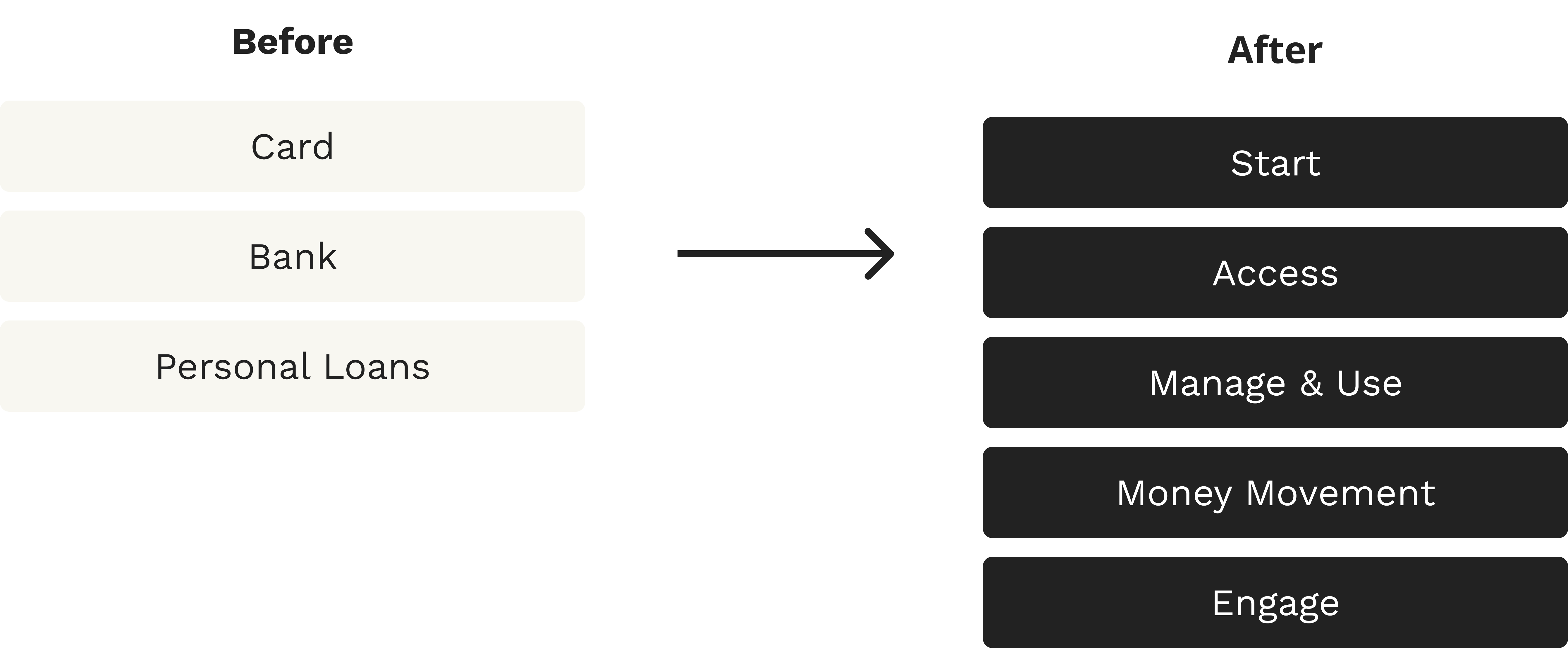
Before
After
Aligning Teams Around Customer Journeys
We moved from product silos to journey-aligned teams, enabling designers and product partners to focus on end-to-end customer experiences.
Tier System
We introduced a tiered system to match design resources to project complexity, prioritizing strategic innovation while ensuring regulatory work could ship quickly.
Design Principals
We introduced a set of design principles to create a shared north star, helping teams make faster decisions and clearly articulate the reasoning behind their design choices.





Scaling to Full Ownership
In one year, we scaled the team from 1 to 20 designers and transitioned 100% of product design work in-house.

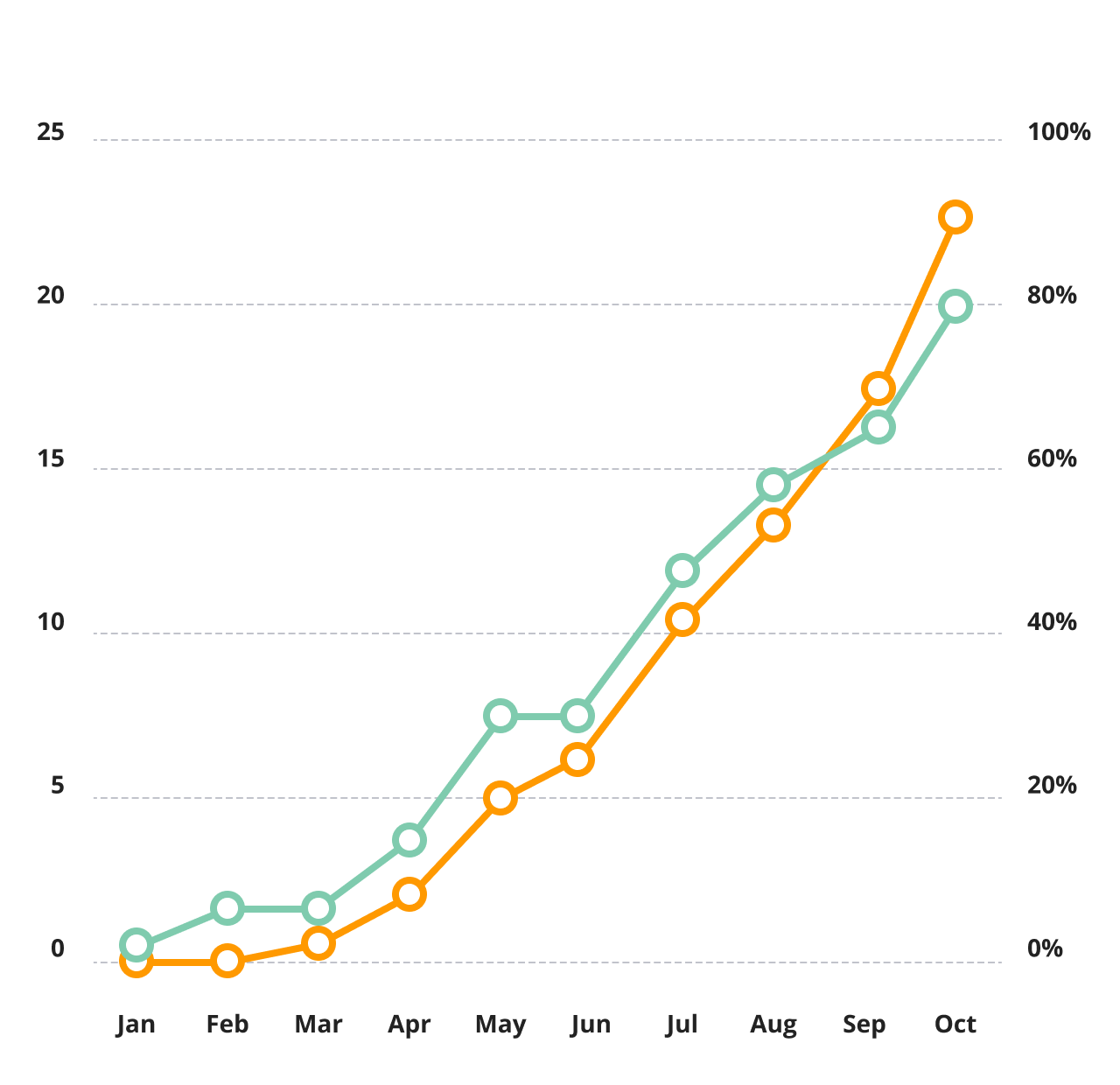

Team Size

Work Ownership
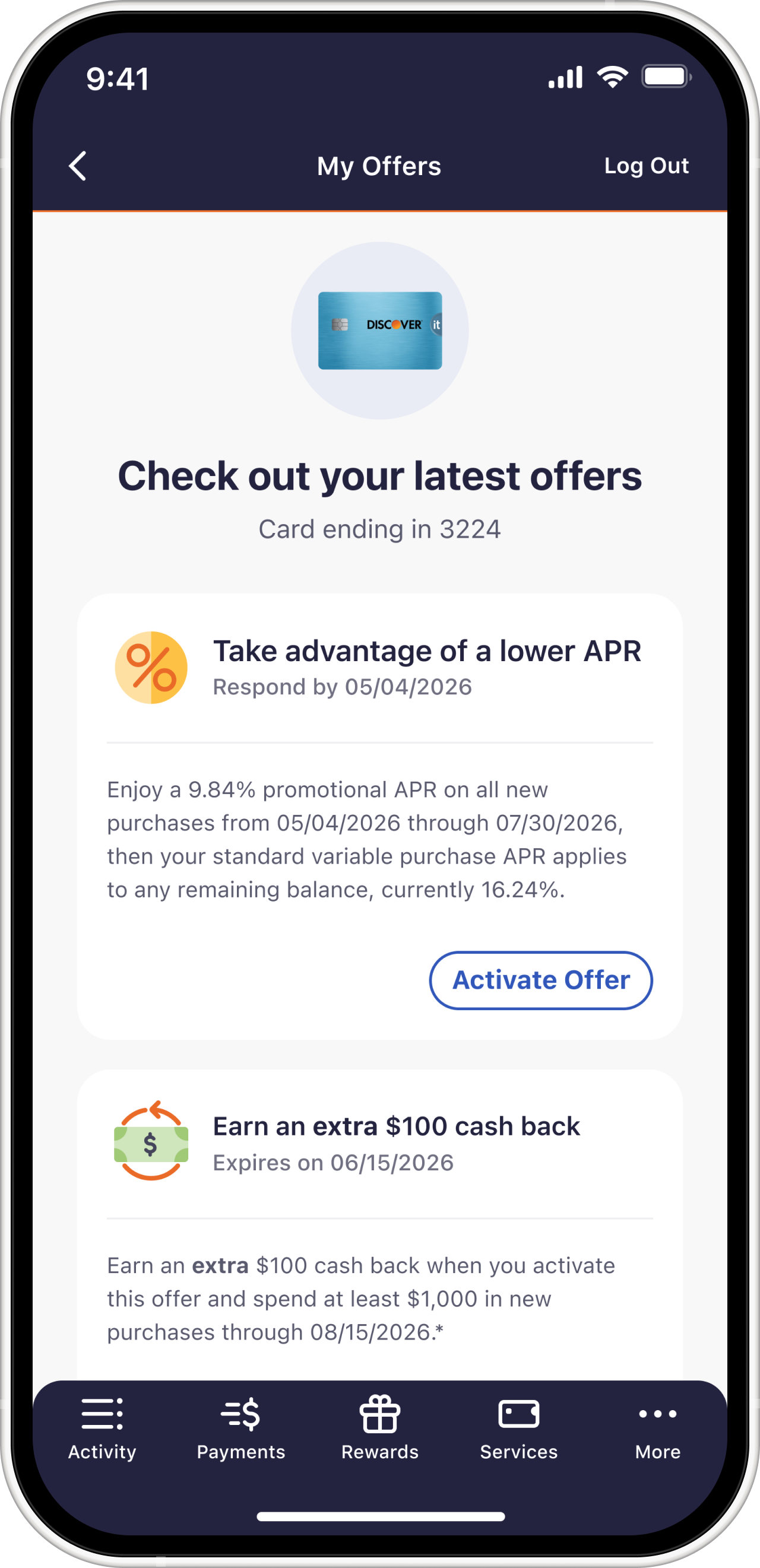
My Offers
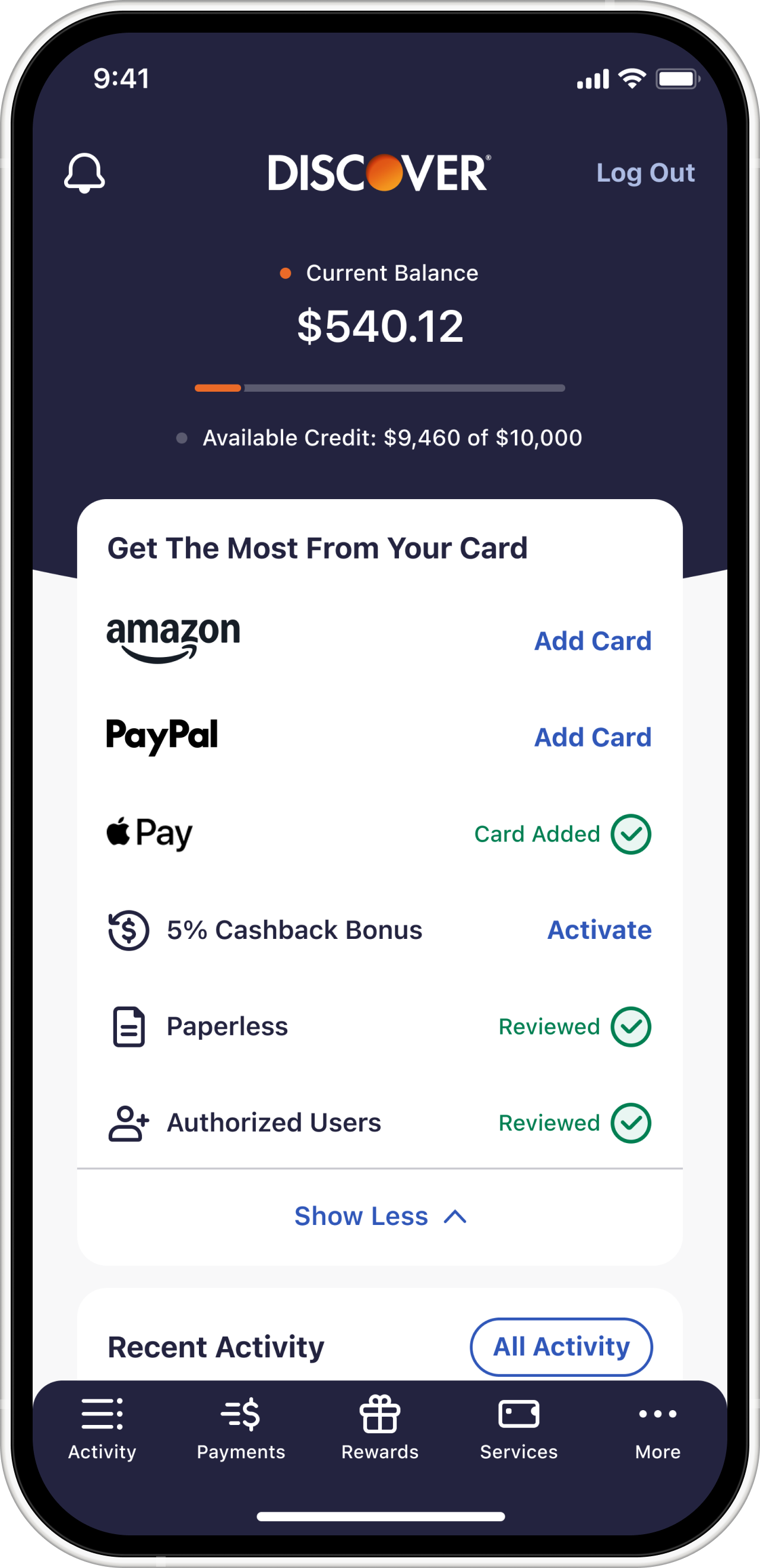
Onboarding Checklist
Operational Impact
Financial Impact
Cultural Transformation

Embedded in roadmap conversations

Early-stage
problem framing

Established governance
and standards